
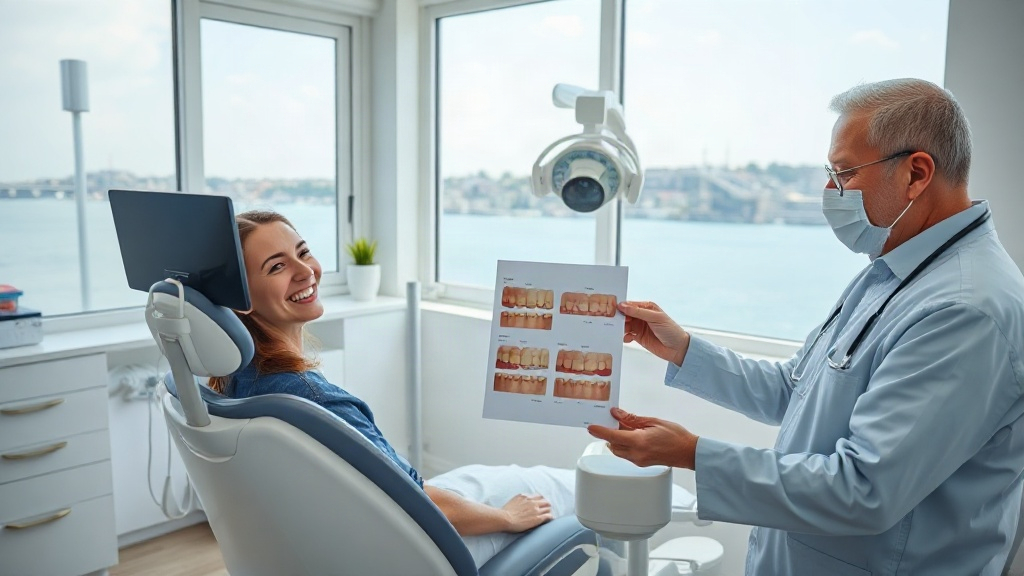
Imagine walking into a room and smiling without a second thought. No hiding your teeth, no self-consciousness, just pure confidence. For many people, that dream feels out of reach due to cost or uncertainty about quality. But what if I told you that veneers turkey have become a game-changer for thousands of patients worldwide? Turkey has quietly built a reputation as a top destination for dental aesthetics, combining skilled dentists, modern clinics, and prices that are often a fraction of what you'd pay in the UK or US. In this guide, I'll walk you through everything you need to know, from the types of veneers available to the step-by-step process, so you can decide if this journey is right for you.
Why Turkey Became a Hub for Dental Veneers
Turkey's rise in dental tourism didn't happen overnight. Over the past decade, the country has invested heavily in healthcare infrastructure, particularly in cities like Istanbul, Antalya, and Izmir. Dental clinics there often rival those in Western Europe, equipped with the latest CAD/CAM technology, 3D imaging, and in-house laboratories that speed up the process without compromising quality. But the real draw is the cost difference. In the UK, a single porcelain veneer can set you back £600 to £1,200. In Turkey, the same veneer might cost between £150 and £300. When you're getting eight or ten veneers, that's a saving of several thousand pounds, even after factoring in flights and accommodation.
Another factor is expertise. Many Turkish dentists have trained internationally and perform hundreds of veneer cases each month. This volume gives them a level of practical skill that's hard to match elsewhere. They're also used to working with international patients, so communication barriers are minimal, and clinics often provide English-speaking coordinators who handle everything from airport transfers to hotel bookings.
Understanding Your Options: E-max, Zirconium, and More
When you start researching veneers, you'll quickly encounter terms like E-max, zirconium, and porcelain. Each material has its strengths, and the right choice depends on your specific needs, budget, and the condition of your natural teeth. Let's break down the most popular options you'll find when considering emax veneers turkey.
What Are E-max Veneers?
E-max veneers are made from lithium disilicate glass-ceramic, a material prized for its translucency and strength. They're incredibly thin, often around 0.3 to 0.5 millimeters, which means less tooth preparation is needed compared to traditional porcelain. This preserves more of your natural tooth structure, a significant long-term benefit. E-max veneers are also highly aesthetic; they mimic the light-reflecting properties of natural enamel so well that it's almost impossible to tell them apart from real teeth. They're particularly popular for front teeth, where appearance matters most.
In Turkey, E-max veneers are a top seller because they combine beauty with durability. With proper care, they can last 10 to 15 years or more. The process typically involves two visits: one for preparation and impressions, and a second for bonding the final veneers. Many clinics offer a temporary set in between, so you never leave with bare teeth.
Zirconium Crowns: When You Need More Coverage
Sometimes a veneer isn't enough. If a tooth is heavily damaged, discolored, or has undergone root canal treatment, a full crown may be necessary. That's where zirconium crowns turkey come into play. Zirconium, also known as zirconia, is a type of ceramic that's exceptionally strong and biocompatible. It's often used for posterior teeth that endure heavy chewing forces, but modern translucent zirconia can also look beautiful on front teeth.
One advantage of zirconium crowns is that they're metal-free, so there's no dark line at the gum margin that can appear with older porcelain-fused-to-metal crowns. They're also less likely to chip or fracture compared to some other ceramics. In Turkey, zirconium crowns are frequently combined with E-max veneers in a full smile makeover, giving you the best of both worlds: strength in the back and aesthetics in the front.
The Step-by-Step Process: What to Expect
If you're seriously considering veneers in Turkey, understanding the timeline can ease a lot of anxiety. Most clinics follow a similar protocol, and many offer package deals that include everything from consultation to aftercare. Here's a realistic breakdown based on common experiences.
First, you'll have an online consultation. You send photos of your teeth, and the clinic's dental team assesses your case. They'll discuss your goals, recommend a treatment plan, and provide a cost estimate. This step is crucial because it sets expectations. Some patients are surprised to learn they need gum treatment or orthodontics before veneers can be placed. A reputable clinic will be honest about this rather than rushing you into a procedure.
Once you arrive in Turkey, you'll have an in-person examination, including X-rays and digital scans. The dentist will prepare your teeth by removing a thin layer of enamel, usually under local anesthesia. For E-max veneers, this is minimal. Impressions are taken, and a temporary set of veneers is fitted. You'll return a few days later for the final bonding. The dentist will check the fit, shade, and bite, then cement the veneers permanently. Most patients spend about five to seven days in the country for a full set of veneers.
Cost Breakdown: Is It Really Cheaper?
Let's talk numbers, because that's often the deciding factor. In Turkey, the average cost for a single E-max veneer ranges from €200 to €350, while a zirconium crown might be €150 to €300. A full set of 20 veneers (upper and lower) could cost between €4,000 and €7,000. Compare that to the UK, where the same treatment might run £12,000 to £20,000 or more. Even with flights, accommodation, and meals, you could save 50% to 70%.
However, cheaper doesn't always mean better. It's essential to research the clinic thoroughly. Look for accreditations, read patient reviews on independent platforms, and ask about the materials they use. Some clinics advertise extremely low prices but use lower-quality ceramics or skip important steps like temporary veneers. A good rule of thumb: if a price seems too good to be true, it probably is. That said, many reputable Turkish clinics offer excellent value without cutting corners.
Potential Risks and How to Avoid Them
No medical procedure is without risk, and dental veneers are no exception. The most common issues include tooth sensitivity, gum irritation, and veneer debonding or chipping. These risks are generally low when the procedure is done correctly, but they can increase if you choose an inexperienced dentist or a clinic that prioritizes speed over quality.
One specific concern with dental tourism is the lack of follow-up care. If a veneer chips six months after you return home, you'll need to find a local dentist willing to repair someone else's work. This can be challenging and may cost extra. To mitigate this, ask the Turkish clinic about their warranty policy. Many offer a guarantee of five to ten years on their veneers, covering defects in materials or workmanship. They may also partner with dentists in your home country for emergency repairs.
Another tip: don't rush the process. Some clinics promise same-day veneers, but this often means skipping the temporary phase or using pre-fabricated shells that don't fit perfectly. A well-made veneer takes time. If you're flying to Turkey, plan for at least a week to allow for proper preparation, temporaries, and final fitting.
Real Stories: What Patients Say
To give you a clearer picture, let me share a composite of experiences I've come across. Sarah, a 34-year-old teacher from Manchester, had always hated her chipped front teeth. She saved for years for veneers in the UK but couldn't justify the cost. After months of research, she booked a package with a clinic in Antalya. The total cost, including flights and a four-star hotel, was £4,800 for eight E-max veneers. She described the experience as "flawless," praising the clinic's organization and the dentist's attention to detail. Six months later, her veneers still look perfect, and she says her only regret is not doing it sooner.
Another patient, Mark from Dublin, needed a full mouth reconstruction due to severe wear from grinding. He opted for zirconium crowns on his back teeth and E-max veneers on the front. His treatment took two weeks and cost €8,500, compared to a quote of €28,000 in Ireland. He did experience some initial sensitivity, but it resolved within a month. He advises others to choose a clinic with an in-house lab, as this speeds up adjustments and ensures better quality control.
How to Choose the Right Clinic
With hundreds of clinics advertising veneers in Turkey, narrowing down your options can feel overwhelming. Start by looking for clinics that specialize in cosmetic dentistry rather than general practices that offer veneers as an afterthought. Check if the dentist is a member of international organizations like the International Congress of Oral Implantologists or the European Academy of Cosmetic Dentistry. These memberships aren't a guarantee of quality, but they indicate a commitment to ongoing education.
Read reviews on multiple platforms, not just the clinic's website. Trustpilot, Google Reviews, and dental tourism forums can provide unfiltered feedback. Pay attention to how the clinic responds to negative reviews; a professional and constructive response is a good sign. Also, ask for before-and-after photos of actual patients, not stock images. A reputable clinic will be happy to share these.
Finally, consider the logistics. Does the clinic offer airport transfers? Do they have English-speaking staff available 24/7? What happens if you need an adjustment after returning home? These practical details can make or break your experience.
Frequently Asked Questions
How long do veneers from Turkey last?
With proper care, E-max veneers and zirconium crowns can last 10 to 15 years or longer. Longevity depends on your oral hygiene, diet, and habits like teeth grinding. Regular dental check-ups and avoiding biting hard objects (like ice or pens) will extend their lifespan.
Is it safe to get veneers in Turkey?
Yes, if you choose a reputable clinic with experienced dentists and modern equipment. Turkey has many internationally accredited dental facilities. However, you should research thoroughly, read reviews, and verify credentials before committing. Avoid clinics that offer unrealistically low prices or pressure you into quick decisions.
Can I get veneers in Turkey in one week?
In most cases, yes. The typical timeline is two visits over five to seven days. The first visit includes consultation, tooth preparation, and fitting of temporary veneers. The second visit, a few days later, is for bonding the final veneers. Some clinics offer expedited services, but this may compromise quality.
What is the difference between E-max veneers and zirconium crowns?
E-max veneers are thin shells bonded to the front surface of teeth, ideal for cosmetic improvements like discoloration, chips, or gaps. Zirconium crowns cover the entire tooth and are used when more structural support is needed, such as after a root canal or for heavily damaged teeth. Both are metal-free and highly aesthetic.
Will my dental insurance cover veneers in Turkey?
Most dental insurance plans do not cover cosmetic procedures like veneers, regardless of where they're performed. However, if a crown is needed for medical reasons (like a fractured tooth), some plans may offer partial reimbursement even for overseas treatment. Check with your provider before traveling.