
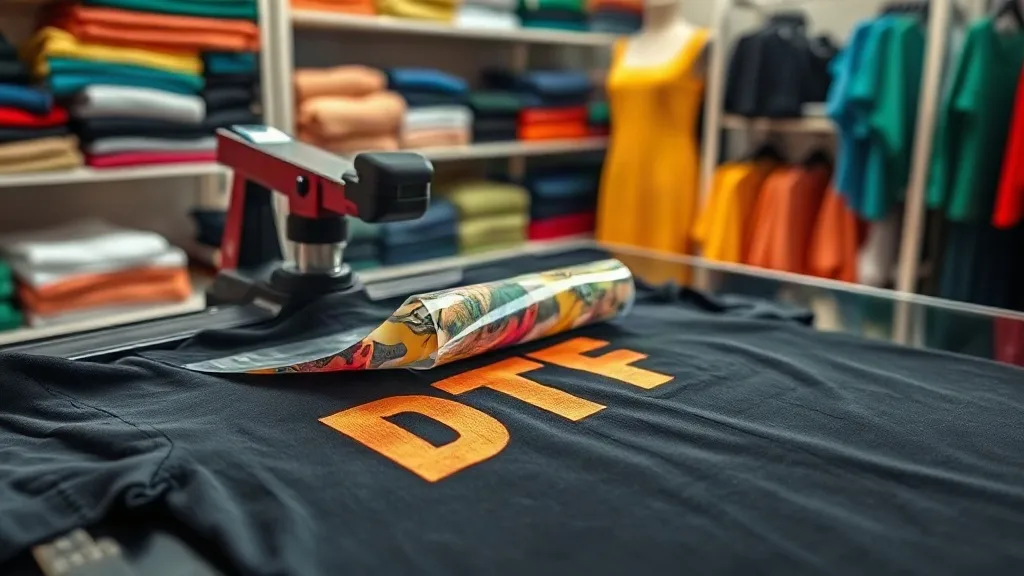
Custom apparel has never been more accessible, thanks to innovations like dtf transfers. Whether you're a small business owner looking to expand your product line or a DIY enthusiast wanting to personalize your wardrobe, understanding DTF technology can save you time and money while delivering professional results. In this guide, we'll explore what DTF transfers are, how they work, and why they might be the perfect solution for your next project.
What Are DTF Transfers?
DTF stands for Direct-to-Film, a printing method where designs are printed onto a special film and then transferred to fabric using heat and pressure. Unlike other methods like screen printing or vinyl cutting, dtf transfers work on a wide range of materials, including cotton, polyester, and blends. The process involves printing a design onto a PET film with a specialized ink, applying a powder adhesive, and then pressing it onto the garment. The result is a vibrant, durable print that can withstand repeated washing.
Why Choose DTF Transfers?
There are several reasons why DTF transfers have become a favorite among apparel decorators. Here are the key benefits:
- Versatility: DTF transfers adhere to almost any fabric, including dark colors, synthetics, and blends. No need for pre-treatment or special garments.
- Vibrancy: The colors are incredibly bright and detailed, making your designs pop.
- Durability: When applied correctly, DTF prints resist cracking, fading, and peeling, even after many washes.
- Cost-effective: For small to medium runs, DTF transfers are more affordable than screen printing, with no setup fees or minimum orders.
- Easy to use: With a heat press, you can apply DTF transfers in minutes, making them ideal for on-demand production.
Whether you're printing t-shirts, hoodies, tote bags, or even shoes, DTF transfers offer a reliable and professional finish.
How to Apply DTF Transfers
Applying DTF transfers is straightforward, but following the right steps ensures a long-lasting result. Here's a quick guide:
- Preheat your heat press: Set the temperature to around 300°F to 325°F (150°C to 160°C).
- Pre-press the garment: This removes moisture and wrinkles, providing a smooth surface.
- Place the transfer: Position the DTF transfer on the garment with the printed side facing up.
- Press: Apply medium to firm pressure for 10-15 seconds.
- Peel: Wait for the transfer to cool completely before peeling off the film. This is a cold peel process.
- Post-press: For added durability, you can press again for a few seconds with a protective sheet.
Always test on a scrap piece of fabric first to dial in your press settings.
Finding Quality DTF Transfers Near You
If you're looking to incorporate DTF into your business or hobby, sourcing high-quality transfers is crucial. Searching for dtf transfers near me can help you find local suppliers who can provide fast turnaround and personalized service. Local suppliers often offer samples so you can test the quality before committing to a larger order. Additionally, building a relationship with a local vendor can lead to better pricing and support.
When evaluating a supplier, consider the following:
- Print quality: Look for sharp details and vibrant colors.
- Durability: Ask about wash tests and expected lifespan.
- Turnaround time: Can they meet your deadlines?
- Customer service: Are they responsive and helpful?
Many suppliers also offer online ordering with shipping, so you can access top-quality transfers even if you're not in a major city.
DTF vs. Other Printing Methods
How does DTF compare to other popular decoration methods? Here's a quick breakdown:
- Screen Printing: Better for large orders of simple designs, but DTF wins for complex, multi-color designs and small batches.
- Vinyl: Good for simple text and shapes, but DTF handles intricate details and gradients better.
- Direct-to-Garment (DTG): DTG requires pre-treatment and works best on 100% cotton. DTF is more versatile and often more cost-effective for small runs.
- Sublimation: Only works on light-colored polyester, while DTF works on any color and fabric.
For many businesses, DTF offers the best balance of quality, versatility, and cost.
Common Mistakes to Avoid with DTF Transfers
Even though DTF is user-friendly, some pitfalls can affect the outcome. Watch out for these:
- Insufficient pressure: Without enough pressure, the transfer won't adhere properly.
- Pressing too hot: Excessive heat can scorch the film or cause the adhesive to melt too much.
- Peeling too early: Always wait for the transfer to cool before peeling; otherwise, the design may lift.
- Ignoring fabric compatibility: While DTF works on most fabrics, very stretchy or heat-sensitive materials may require special care.
By avoiding these mistakes, you'll achieve consistent, professional results.
SSS
What is the difference between DTF and DTG printing?
DTF (Direct-to-Film) involves printing on a film and transferring to fabric, while DTG (Direct-to-Garment) prints directly onto the garment. DTF works on more fabric types and doesn't require pre-treatment, making it more versatile.
Can I use DTF transfers on dark shirts?
Yes, DTF transfers are excellent for dark fabrics because the white ink layer in the transfer provides a bright base for the colors.
How long do DTF transfers last?
With proper application and care, DTF transfers can last as long as the garment itself, resisting cracking and fading for 50+ washes.
Do I need a special printer for DTF?
Yes, DTF requires a printer that uses DTF ink and a powder shaker. However, you can purchase pre-printed transfers from suppliers if you don't want to invest in equipment.
Where can I buy DTF transfers?
You can find DTF transfers from online suppliers and local print shops. Searching for "dtf transfers near me" can help you locate a convenient option.