
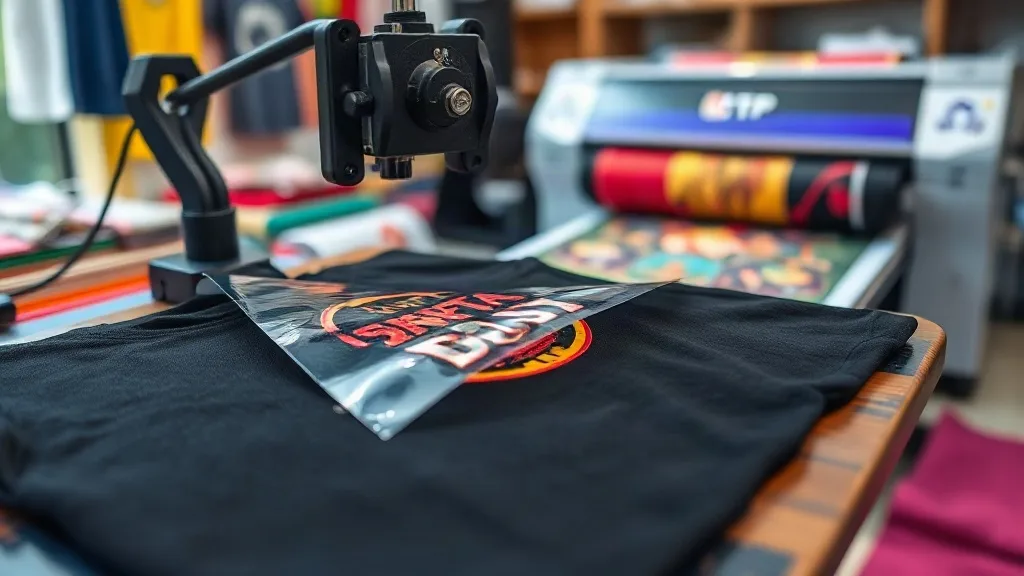
Custom apparel printing has evolved dramatically over the past decade, and one technology that has captured the attention of both hobbyists and professionals is DTF printing. If you're looking to add vibrant, durable designs to t-shirts, hoodies, or tote bags, understanding dtf transfers can save you time, money, and frustration. In this guide, we'll explore what DTF transfers are, how they work, and why they might be the perfect solution for your next project.
What Are DTF Transfers?
DTF stands for Direct-to-Film, a printing method where your design is printed onto a special film, coated with adhesive powder, and then heat-pressed onto fabric. Unlike other methods that require specialized equipment or pre-treated garments, dtf transfers offer a versatile and accessible way to produce high-quality prints on a wide range of materials.
The process begins with a digital printer that lays down CMYK inks plus white ink onto a PET film. The white ink layer is crucial because it allows the design to show up vividly on both light and dark fabrics. After printing, a hot-melt adhesive powder is applied to the wet ink, and the film is cured. The result is a transfer sheet that can be stored and used whenever you're ready to press.
The DTF Printing Process Step by Step
- Design Preparation: Your artwork is prepared digitally, ensuring it's mirrored if necessary and sized appropriately.
- Printing: The design is printed onto the film with white ink underneath the color layers.
- Powder Application: While the ink is still wet, adhesive powder is sprinkled evenly over the design.
- Curing: The film passes through a curing oven or is heated with a heat gun to melt the powder, creating a dry, tack-free surface.
- Pressing: The transfer is placed on the fabric and pressed with a heat press at the recommended temperature and pressure.
- Peeling: After pressing, the film is peeled away (hot or cold peel, depending on the film type), leaving the design bonded to the fabric.
Why Choose DTF Transfers for Your Apparel Projects?
There are several reasons why DTF transfers have become a go-to choice for small businesses, crafters, and even large-scale printers. Let's break down the key benefits.
1. Versatility Across Fabrics
One of the biggest advantages of DTF transfers is that they work on almost any fabric, including cotton, polyester, blends, and even some synthetics. This is a significant improvement over vinyl cutting or screen printing, which may require specific fabric compositions or pre-treatment. Whether you're printing on a 100% cotton t-shirt or a polyester blend hoodie, DTF transfers deliver consistent results.
2. Vibrant, Full-Color Designs
DTF transfers allow for full-color printing with fine details and gradients, thanks to the combination of CMYK and white inks. The white ink base ensures that colors pop even on dark garments, and the high resolution of modern DTF printers means your designs will look sharp and professional. This makes DTF ideal for intricate logos, photographic images, and complex artwork.
3. Durability and Washability
When applied correctly, DTF transfers are known for their durability. The adhesive powder creates a strong bond with the fabric, and the prints can withstand numerous washes without significant fading or cracking. Proper care, such as washing inside out and avoiding high heat in the dryer, will extend the life of your prints even further.
4. Cost-Effective for Small Runs
Unlike screen printing, which requires separate screens for each color and becomes cost-effective only at higher quantities, DTF transfers are economical for small batches and one-off items. You can print a single transfer or hundreds without the setup costs associated with other methods. This makes DTF perfect for on-demand printing, personalized gifts, and small business startups.
5. Easy to Store and Ship
Once cured, DTF transfers are lightweight and can be stored flat or rolled up. They don't require special storage conditions and can be shipped easily, making them ideal for print-on-demand businesses or for selling transfer sheets to other crafters.
Finding Quality DTF Transfers Near You
If you're convinced that DTF transfers are right for your project, the next step is to find a reliable supplier. Searching for dtf transfers near me can help you locate local services that offer fast turnaround and personalized support. However, don't limit yourself to local options; many reputable online suppliers provide high-quality transfers with quick shipping.
When evaluating a supplier, consider the following factors:
- Print Quality: Look for sharp details, vibrant colors, and consistent white ink coverage.
- Film and Powder Quality: High-quality films and adhesives ensure better durability and ease of use.
- Customer Reviews: Check testimonials and reviews to gauge reliability and customer satisfaction.
- Turnaround Time: If you're on a deadline, choose a supplier with fast production and shipping.
- Pricing: Compare costs, but remember that the cheapest option may not always deliver the best results.
Many suppliers offer sample packs so you can test their transfers before committing to a larger order. This is a smart way to assess quality and compatibility with your heat press.
Common Challenges and How to Overcome Them
While DTF transfers are user-friendly, there are a few common pitfalls to watch out for. Here are some tips to ensure success:
Insufficient Pressure or Temperature
If the heat press isn't set correctly, the transfer may not adhere properly, leading to peeling or cracking. Always follow the supplier's recommended settings for temperature, pressure, and time. Invest in a heat press with accurate controls and consider using a infrared thermometer to verify the platen temperature.
Improper Peeling
Some DTF films require hot peel, while others require cold peel. Peeling at the wrong temperature can ruin the transfer. Read the instructions carefully and practice on a scrap piece of fabric before pressing your final garment.
Powder Mess
Applying the adhesive powder can be messy. Work in a contained area, use a powder shaker for even distribution, and cure the film properly to avoid powder transferring to your heat press. A small investment in a curing oven can make a big difference in consistency.
Color Accuracy
Colors may appear slightly different on fabric compared to your screen. This is due to the white ink base and fabric texture. To minimize surprises, request a physical sample or proof before large orders. Calibrate your monitor and use color profiles provided by your printer or software.
DTF vs. Other Printing Methods
How does DTF stack up against other popular printing techniques? Let's compare.
DTF vs. Screen Printing
Screen printing is excellent for large orders with few colors, offering low cost per unit and a soft feel. However, it requires setup time and costs for each color, making it less economical for small runs or complex designs. DTF excels in small batches, full-color designs, and on-demand printing, with no minimum order quantity.
DTF vs. Heat Transfer Vinyl (HTV)
HTV is great for simple shapes and text, but it can't handle intricate details or gradients. DTF allows for photographic-quality prints and works on a wider range of fabrics. HTV may be more accessible for beginners, but DTF offers more creative freedom.
DTF vs. Direct-to-Garment (DTG)
DTG prints directly onto the garment, which is excellent for 100% cotton and produces a soft, breathable print. However, DTG requires pre-treatment and is generally more expensive for small runs. DTF works on more fabric types and doesn't require pre-treatment, making it more versatile and cost-effective for many applications.
Getting Started with DTF Transfers
Ready to dive into DTF printing? Here's a quick checklist to get you started:
- Heat Press: A reliable heat press with adjustable temperature and pressure is essential.
- DTF Transfers: Order from a reputable supplier or invest in a DTF printer if you plan to produce in-house.
- Fabrics: Test on the fabrics you intend to use. Cotton, polyester, and blends all work well.
- Protective Equipment: Use heat-resistant gloves and work in a well-ventilated area when handling powders.
- Practice: Start with small test prints to dial in your settings before moving to final products.
Many online communities and forums are dedicated to DTF printing, where you can share tips and troubleshoot issues with fellow enthusiasts. Don't hesitate to ask for advice.
Frequently Asked Questions About DTF Transfers
How long do DTF transfers last?
With proper application and care, DTF transfers can last as long as the garment itself. Expect the print to withstand 50+ washes without significant fading or cracking. Following care instructions, such as washing inside out in cold water and avoiding high heat, will maximize longevity.
Can I use DTF transfers on dark fabrics?
Absolutely. DTF transfers include a white ink layer that acts as a base, allowing colors to appear vibrant on both light and dark fabrics. This is one of the key advantages of DTF over other methods.
Do I need a special printer for DTF transfers?
To produce DTF transfers in-house, you need a DTF printer that uses DTF inks and a curing oven or heat gun for the powder. However, if you're not ready to invest in equipment, you can order pre-printed transfers from suppliers and simply press them onto your garments.
What is the best temperature for pressing DTF transfers?
Recommended settings vary by film and supplier, but typically range from 300°F to 325°F (150°C to 160°C) for 10-15 seconds with medium to high pressure. Always check the instructions provided with your transfers.
Can I sell items made with DTF transfers?
Yes, many suppliers allow commercial use of their transfers. However, check the terms of service and licensing agreements to ensure you're compliant. Some suppliers offer extended licenses for resale.
DTF transfers have democratized custom apparel printing, making it accessible to anyone with a heat press and a creative idea. Whether you're a small business owner, a hobbyist, or a professional printer, DTF offers a flexible, cost-effective, and high-quality solution for bringing your designs to life. With the right knowledge and tools, you can achieve stunning results that impress your customers and keep them coming back for more.