
If you're in the custom apparel business, you know that efficiency and cost-effectiveness are key to staying competitive. Whether you're a small print shop or a large-scale operation, the way you handle printing can make or break your margins. Enter the DTF Gangsheet, a game-changer that's quietly revolutionizing how businesses approach direct-to-film printing.
What Exactly Is a DTF Gangsheet?
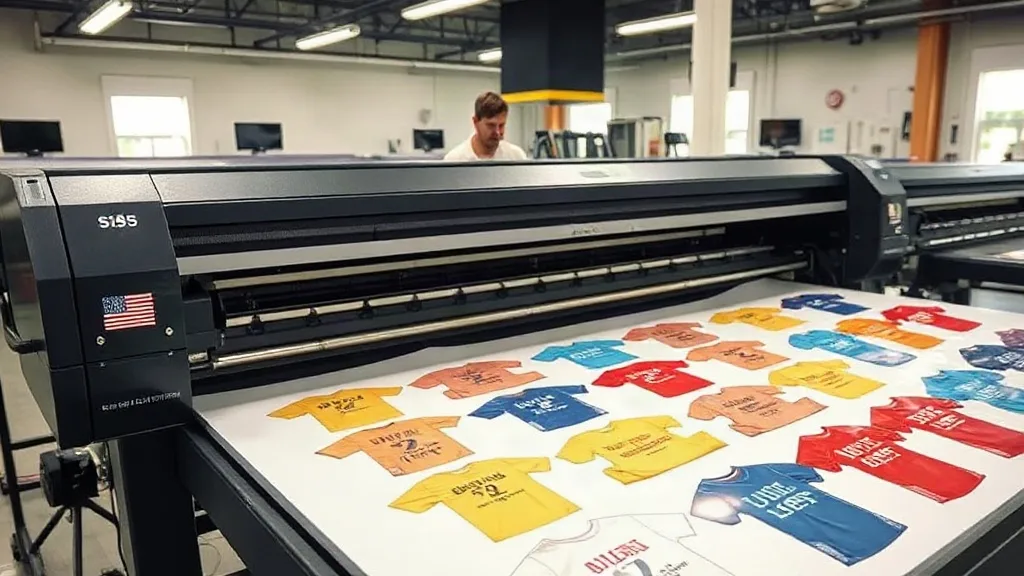
A DTF gangsheet is essentially a large sheet of transfer film that contains multiple designs printed simultaneously. Instead of printing each design individually, you gang them up on a single sheet, hence the name. This method is part of the direct-to-film (DTF) printing process, where designs are printed onto a special film, coated with adhesive powder, and then heat-pressed onto fabric.
The beauty of a gangsheet lies in its efficiency. By grouping multiple designs onto one sheet, you maximize the use of your printer's bed and reduce waste. This is especially beneficial for small to medium-sized orders where printing each design separately would be time-consuming and costly.
Why DTF Gangsheets Are Gaining Popularity
The custom apparel industry is always looking for ways to speed up production without sacrificing quality. DTF gangsheets offer a compelling solution. Here's why they're becoming a staple in print shops:
- Cost Efficiency: By printing multiple designs on one sheet, you save on film, ink, and powder. The per-unit cost drops significantly, allowing you to offer competitive pricing.
- Time Savings: Gangsheets reduce setup time. You can print a variety of designs in one go, which is perfect for orders with multiple sizes or small batches of different designs.
- Versatility: DTF printing works on almost any fabric, including cotton, polyester, and blends. Gangsheets let you mix designs for different fabric types on the same sheet, as long as they require the same transfer settings.
- Quality: DTF transfers produce vibrant, durable prints that withstand repeated washing. Gangsheets maintain this quality across all designs on the sheet.
How to Create a DTF Gangsheet
Creating a gangsheet is straightforward if you follow the right steps. Here's a quick guide:
- Prepare Your Designs: Ensure all designs are in the correct format (usually PNG with transparent background) and at the right resolution (300 DPI is standard). Size them according to the final print dimensions.
- Arrange on a Template: Use design software or a specialized gangsheet builder to arrange your designs on a sheet that matches your printer's maximum print width. Leave enough space between designs for cutting.
- Print and Powder: Print the sheet using DTF ink and printer, then apply adhesive powder while the ink is still wet. Shake off excess powder and cure the sheet under heat.
- Press: Once cured, the sheet is ready to be heat-pressed onto garments. Cut out each design and press according to the fabric and transfer specifications.
Many print shops use gangsheet builder tools that automate the layout process, ensuring optimal use of space and reducing manual errors.
Maximizing Efficiency with DTF Gangsheets
To get the most out of your gangsheets, consider these tips:
- Plan Your Layout: Group designs by size and color to minimize waste. Nest smaller designs around larger ones.
- Use Quality Supplies: Invest in good DTF film and powder. Cheap supplies can lead to poor adhesion and faded prints.
- Maintain Your Printer: Regular maintenance ensures consistent print quality and prevents clogs that can ruin a whole sheet.
- Test Before Full Production: Always do a test press to check colors and adhesion, especially when trying new fabrics or designs.
Common Pitfalls to Avoid
While gangsheets are efficient, there are mistakes that can cost you time and money:
- Overcrowding: Placing designs too close together can cause ink bleeding or difficulty in cutting. Leave at least 0.25 inches between designs.
- Inconsistent Powder Application: Too much powder leads to a rough texture; too little results in poor adhesion. Aim for an even coat.
- Ignoring Fabric Compatibility: Not all fabrics tolerate the same heat settings. Always check the fabric's heat tolerance before pressing.
- Skipping Curing: Proper curing is essential for durability. Under-cured transfers will crack and fade quickly.
Is a DTF Gangsheet Right for Your Business?
If you frequently handle orders with multiple designs, small batches, or personalized items, a DTF gangsheet can be a smart addition to your workflow. It's particularly useful for:
- Custom t-shirt shops that offer a variety of designs.
- Businesses that produce promotional apparel for events.
- Print-on-demand services looking to optimize production speed.
However, if you only print large volumes of a single design, traditional screen printing might still be more cost-effective. Assess your order patterns to decide.
Frequently Asked Questions
What is the maximum size for a DTF gangsheet?
The maximum size depends on your printer's capabilities. Most DTF printers can handle sheets up to 13 inches wide by 19 inches long or larger, but industrial models can go up to 24 inches or more. Always check your printer's specifications.
Can I mix different fabric types on one gangsheet?
Yes, you can mix designs intended for different fabrics on the same sheet, but you must ensure that the pressing parameters (temperature, pressure, time) are compatible for all fabrics involved. It's best to group designs by similar pressing requirements.
How do I store unused DTF gangsheets?
Store them in a cool, dry place away from direct sunlight. Keep them flat to prevent creasing. Once cured, they can be stored for several weeks, but for best results, use them within a month.
Do I need special software to create a gangsheet?
You can use standard graphic design software like Adobe Illustrator or Photoshop, but there are also dedicated gangsheet builder tools available online that simplify the layout process and ensure optimal spacing.
What's the difference between DTF and DTG printing?
DTF (Direct-to-Film) involves printing on a film and transferring to fabric, while DTG (Direct-to-Garment) prints directly onto the garment. DTF is more versatile with fabrics and can produce finer details, while DTG is often preferred for 100% cotton and small batches. DTF gangsheets offer efficient multi-design printing, which DTG doesn't inherently support.
Embracing DTF gangsheets could be the efficiency boost your custom apparel business needs. With careful planning and attention to detail, you can streamline your production, reduce costs, and deliver high-quality prints that keep customers coming back.