
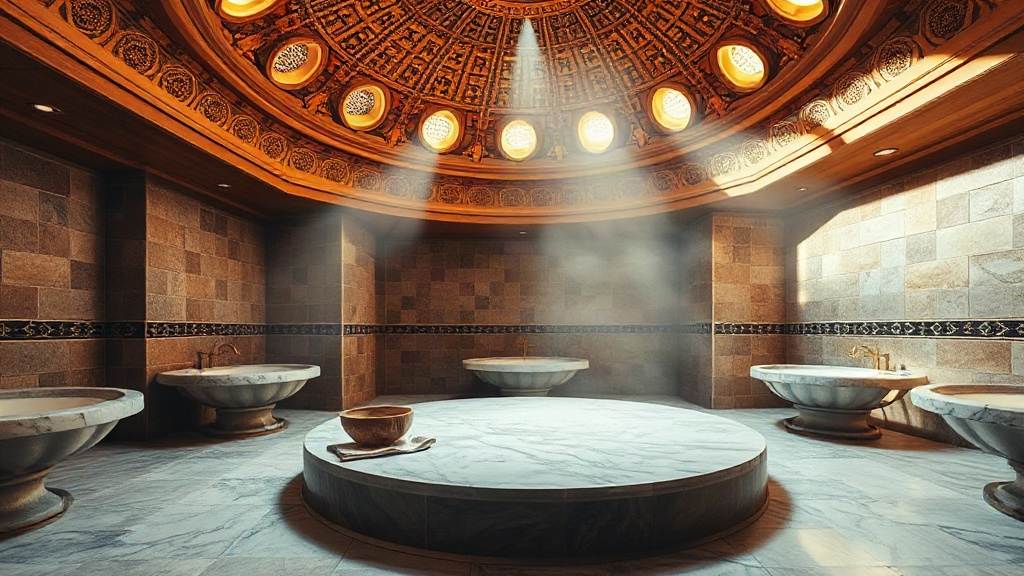
Stepping into a Turkish bath is like entering a sanctuary where centuries of tradition meet modern relaxation. Also known as a hammam, this ancient bathing ritual offers more than just cleanliness; it is a sensory journey that cleanses the body, calms the mind, and connects you to a rich cultural heritage. Whether you are a seasoned spa enthusiast or a curious first-timer, understanding the allure of the Turkish bath can transform your approach to self-care. And if you have ever searched for a turkish bath near me, you know the growing popularity of these establishments in cities around the world.
In this comprehensive guide, we will explore the fascinating history of the hammam, its numerous health benefits, and the step-by-step experience you can expect. We will also share practical tips on how to find an authentic Turkish bath near you and what to look for to ensure a memorable visit. By the end, you will be ready to immerse yourself in this timeless tradition with confidence.
The Rich History of the Turkish Bath
The origins of the Turkish bath can be traced back to the Roman thermae, but it was the Ottoman Empire that perfected and popularized the hammam as we know it today. Combining Roman bathing practices with Islamic principles of cleanliness and purification, the hammam became a central social institution in Ottoman society. It was a place not only for bathing but also for socializing, celebrating milestones, and conducting business. Men and women had separate bathing areas or designated times, making it an inclusive space for all.
Historically, hammams were often built near mosques to allow the faithful to perform the ritual ablution before prayers. Over time, they evolved into elaborate architectural marvels with domed ceilings, intricate tile work, and marble slabs. The heat and steam inside were generated by a sophisticated hypocaust system, a testament to the engineering prowess of the era. Today, many historic hammams in Istanbul, such as the Çemberlitaş Hammam and the Ayasofya Hurrem Sultan Hammam, still welcome visitors seeking an authentic experience.
As the Ottoman Empire expanded, so did the tradition of the hammam, spreading to North Africa, the Middle East, and parts of Europe. In the modern era, the Turkish bath has experienced a global revival, with luxury spas and wellness centers incorporating its elements into their offerings. This blend of history and contemporary wellness makes the hammam a unique cultural experience that continues to captivate people worldwide.
Health Benefits of a Turkish Bath
Beyond its cultural significance, the Turkish bath offers a myriad of health benefits that contribute to overall well-being. The combination of heat, steam, and massage works on multiple levels to rejuvenate the body and mind. Here are some of the key advantages:
- Deep Cleansing: The steam opens up your pores, allowing for a thorough removal of dirt, toxins, and dead skin cells. The traditional exfoliation with a kese glove leaves your skin feeling incredibly soft and renewed.
- Improved Circulation: The warm environment dilates blood vessels, enhancing blood flow throughout the body. This can help lower blood pressure and improve cardiovascular health over time.
- Muscle Relaxation and Pain Relief: The heat helps to relax tense muscles and relieve joint stiffness. The subsequent massage further eases muscle knots and promotes flexibility.
- Stress Reduction and Mental Clarity: The serene atmosphere and the ritualistic nature of the bath encourage deep relaxation. The release of endorphins during the massage helps combat stress and anxiety, leaving you with a sense of mental clarity.
- Respiratory Benefits: The steam can help clear nasal passages and ease symptoms of respiratory conditions like asthma or bronchitis. Breathing in the moist air soothes the throat and lungs.
- Better Sleep: The combination of heat, massage, and relaxation can significantly improve sleep quality. Many people report falling into a deeper, more restful sleep after a hammam session.
These benefits make the Turkish bath an excellent choice for anyone looking to enhance their wellness routine. However, it is important to note that individuals with certain health conditions, such as heart problems or pregnancy, should consult a doctor before visiting a hammam.
What to Expect During a Traditional Turkish Bath
If you are planning your first visit to a Turkish bath, knowing what to expect can help you relax and fully enjoy the experience. While variations exist, a traditional hammam ritual typically follows a sequence of steps designed to cleanse and rejuvenate. Here is a breakdown of the typical experience:
1. Preparation and Relaxation
Upon arrival, you will be given a pestemal, a thin cotton wrap, and a pair of slippers. You will change in a private cabin and then proceed to the warm room, known as the sogukluk, to acclimate your body to the heat. This room is moderately warm and serves as a transition space. You may spend 10-15 minutes here, relaxing on a marble bench and allowing your body to begin sweating.
2. The Hot Room (Hararet)
Next, you will enter the main hot room, or hararet, which is the heart of the hammam. This room features a large heated marble platform called the gobek tasi in the center, surrounded by basins with hot and cold water. The temperature here can range from 40 to 50 degrees Celsius with high humidity. You will lie on the marble slab to let the heat penetrate your muscles and open your pores. This stage can last anywhere from 15 to 30 minutes, during which you can use the provided bowls to pour warm water over yourself.
3. Exfoliation and Scrubbing
Once your skin is sufficiently softened, an attendant, known as a tellak for men or a natir for women, will begin the exfoliation process using a coarse mitt called a kese. This vigorous scrubbing removes layers of dead skin, leaving your skin feeling incredibly smooth. It can be surprisingly intense but is generally not painful. The attendant will rinse you with warm water periodically to wash away the dead skin.
4. Foam Massage
After the scrub, the attendant will create a mountain of luxurious foam using a special cloth and olive oil soap. This foam is then massaged all over your body, providing a deeply relaxing and cleansing experience. The combination of the soap's natural ingredients and the massage techniques helps to further detoxify the skin and relax the muscles. This is often considered the most enjoyable part of the ritual.
5. Rinsing and Cooling Down
Following the foam massage, you will be thoroughly rinsed with warm water to remove all soap residue. You may then be led to a cooler area to relax and allow your body temperature to return to normal. Some hammams offer a cold plunge pool or a cool shower for this purpose. It is important to rest for at least 15-20 minutes after the bath, drinking plenty of water or traditional tea to rehydrate.
6. Optional Massage and Treatments
Many hammams offer additional services such as aromatherapy massages, clay masks, or hair treatments. These can be added to your package for a more comprehensive spa experience. If you opt for an oil massage, it typically takes place in a separate, cooler room after the bathing ritual.
Throughout the process, you will be guided by the attendants, so there is no need to worry about what to do next. Simply relax and let the centuries-old tradition work its magic.
Finding an Authentic Turkish Bath Near You
With the rising popularity of wellness tourism, you do not need to travel to Istanbul to experience a Turkish bath. Many cities around the world now boast authentic hammams that offer traditional rituals. When searching for a turkish bath near me, there are several factors to consider to ensure you get an authentic and high-quality experience.
Key Considerations for Choosing a Hammam
- Authenticity: Look for establishments that use traditional elements such as a heated marble platform, kese mitts, and olive oil soap. Read reviews and check their website for descriptions of the ritual.
- Cleanliness and Hygiene: A reputable hammam should maintain high standards of cleanliness. Check for recent health inspection ratings and customer feedback regarding hygiene.
- Staff Expertise: The skill of the tellak or natir can make a significant difference in your experience. Experienced attendants know how to perform the scrub and massage correctly, ensuring both effectiveness and comfort.
- Atmosphere: The ambiance should be serene and relaxing, with appropriate lighting, music, and architecture. A traditional hammam often features domed ceilings and marble interiors.
- Gender Policies: Some hammams are mixed, while others have separate hours or sections for men and women. Choose one that aligns with your comfort level.
- Price and Packages: Prices can vary widely. Compare the services included in the base price and any additional treatments. Be wary of extremely low prices, as they may indicate a lack of authenticity or quality.
By considering these factors, you can find a turkish bath near me that offers a truly authentic experience. Whether you are looking for a quick scrub or a full day of pampering, there is likely a hammam nearby that suits your needs.
Tips for First-Timers
Visiting a Turkish bath for the first time can be both exciting and a little intimidating. To help you prepare and make the most of your experience, here are some practical tips:
- Hydrate Well: Drink plenty of water before and after your visit to prevent dehydration from the heat and sweating.
- Avoid Heavy Meals: It is best to visit on an empty or lightly full stomach. Avoid heavy meals at least two hours before your session.
- Bring Essentials: While most hammams provide pestemals and slippers, you may want to bring your own toiletries, a change of underwear, and a plastic bag for wet items.
- Communicate Your Preferences: Do not hesitate to tell your attendant if the scrub is too rough or if you prefer a gentler touch. They are there to ensure your comfort.
- Respect the Ritual: The hammam is a place of relaxation and tradition. Keep noise to a minimum, and be mindful of other guests' experiences.
- Allow Time for Rest: Do not rush out after your bath. Take time to relax, sip tea, and let your body recover. This is an essential part of the ritual.
Following these tips will help you have a smooth and enjoyable first visit. Remember, the Turkish bath is not just about the physical cleanse; it is a holistic experience that nurtures the mind and spirit as well.
Conclusion
The Turkish bath is a timeless tradition that offers profound benefits for both body and soul. From its historical roots in the Ottoman Empire to its modern-day resurgence, the hammam continues to be a sanctuary of relaxation and rejuvenation. Whether you are seeking deep cleansing, muscle relief, or simply a unique cultural experience, a visit to a Turkish bath is well worth it. And with the convenience of finding a turkish bath near me, you can easily incorporate this ancient ritual into your wellness routine. So go ahead, take the plunge, and discover the transformative power of the hammam.
Frequently Asked Questions About Turkish Baths
What should I wear in a Turkish bath?
Most hammams provide a pestemal, a thin cotton wrap, for you to wear during the bath. You can also wear a swimsuit underneath if you prefer. The attendants are professional and will ensure your privacy is respected at all times.
Is a Turkish bath suitable for everyone?
While generally safe, individuals with certain health conditions such as heart disease, high blood pressure, or pregnancy should consult a doctor before visiting. The high heat and humidity can be taxing on the body, so it is best to err on the side of caution.
How long does a traditional Turkish bath session last?
A typical session can last anywhere from 45 minutes to 2 hours, depending on the package and whether you add extra treatments. The core bathing ritual usually takes about 45 minutes to an hour.
Can I get a Turkish bath if I have sensitive skin?
Yes, but you should inform your attendant about your skin sensitivity. They can adjust the pressure of the kese scrub and use gentler products. It is also a good idea to do a patch test if you have allergies to certain ingredients.
What is the difference between a Turkish bath and a sauna?
While both use heat, a sauna is typically dry and much hotter, with lower humidity. A Turkish bath, or hammam, is characterized by high humidity and a focus on cleansing rituals, including exfoliation and foam massage. The hammam experience is more social and ritualistic.