
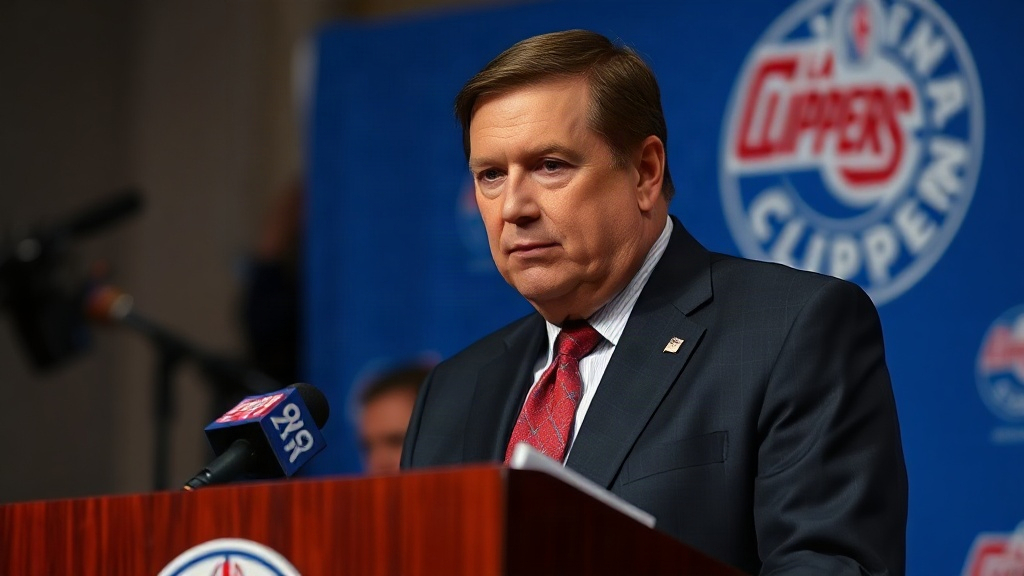
Steve Ballmer, the billionaire owner of the LA Clippers, has publicly apologized after the franchise was hit with sanctions by the NBA. The apology, delivered in a brief but notable statement, acknowledged the team's violations and emphasized that the organization is now fully complying with all penalties. For a franchise that has spent years trying to shed its troubled past, this moment carries weight beyond a simple fine.
The sanctions against the Clippers stem from violations of league rules, though Ballmer did not delve into specifics during his remarks. What he did make clear is that the team has already paid the required fines and is "moving forward." That phrase, simple as it sounds, signals a deliberate attempt to close a difficult chapter and refocus on basketball operations and organizational integrity.
Background: Why the Clippers Faced Sanctions
The NBA's decision to sanction the Clippers followed an investigation into the team's conduct, which included unauthorized contact with a player and salary cap circumvention. While the league has not released every detail, the penalties were significant enough to draw attention across the sports world. For a team that has invested heavily in its roster and infrastructure, any sanction can disrupt planning and tarnish reputation.
Ballmer, who purchased the Clippers in 2014 for a then-record $2 billion, has been a hands-on and passionate owner. He has spent lavishly on player acquisitions, coaching staff, and the team's new arena, the Intuit Dome. Yet this episode is a reminder that even the most well-resourced organizations can stumble when it comes to compliance. The NBA's rules are strict, and the league has shown repeatedly that it will enforce them regardless of market size or ownership profile.
What Exactly Were the Violations?
According to league sources and reporting, the Clippers were found to have engaged in impermissible discussions with a player before the official free agency period began. This is often referred to as "tampering," and it violates the NBA's collective bargaining agreement. Additionally, the team was accused of structuring a contract in a way that circumvented salary cap rules. These are serious infractions because they undermine the competitive balance that the league tries to maintain.
The NBA's investigation concluded that the Clippers gained an unfair advantage in their pursuit of certain players. The sanctions included a fine and the loss of a future draft pick. While the exact amounts and details were not fully disclosed in Ballmer's statement, the acknowledgment of paying fines confirms that financial penalties were indeed part of the punishment.
Ballmer's Apology: A Strategic Move
Ballmer's decision to apologize is notable. Many owners in similar situations issue statements through team spokespeople or simply say nothing at all. By speaking directly and using the word "apologize," Ballmer is taking personal responsibility. This can be an effective public relations strategy, especially when fans and sponsors are watching. It humanizes the ownership and shows that the organization takes the league's rules seriously.
However, the apology also serves a practical purpose. The Clippers are in the middle of a competitive window, with star players like Kawhi Leonard and Paul George under contract. Any lingering controversy can become a distraction. By addressing the issue head-on and emphasizing compliance, Ballmer aims to remove a potential negative storyline from the team's season.
He also stressed that the team is "moving forward." That forward-looking tone is crucial. It suggests that the Clippers have learned from the mistake and are not dwelling on the past. For an organization that has historically been associated with dysfunction, this kind of message can help reshape public perception.
How the NBA's Sanctions Impact the Clippers
The loss of a draft pick, even a second-rounder, can have ripple effects. Draft picks are valuable assets in the NBA, often used to acquire role players or to sweeten trades. Losing one means the Clippers have fewer assets to improve their roster through traditional means. However, given the team's aggressive approach to free agency and trades, the impact may be minimal in the short term.
The fine, while not insignificant, is unlikely to affect the Clippers' financial flexibility. Ballmer is one of the wealthiest owners in professional sports, with a net worth estimated in the tens of billions. A league-imposed fine is more of a symbolic gesture than a financial burden. What matters more is the reputational hit and the message it sends to other teams and the league office.
There is also the question of whether the sanctions will deter future violations. The NBA has increased its enforcement of tampering rules in recent years, and the Clippers' case is part of that broader trend. Teams that have been caught in similar situations have often become more careful in their dealings. The Clippers will likely implement stricter internal controls to avoid another misstep.
The Bigger Picture: NBA Compliance and Culture
The Clippers' situation is not unique. In recent years, several teams have been penalized for tampering or salary cap violations. The league's message is clear: rules are rules, and no franchise is above them. For an owner like Ballmer, who has invested so much in the team's success, this is a humbling reminder that passion and spending do not exempt an organization from oversight.
What makes this case interesting is the contrast between Ballmer's public persona and the team's actions. Ballmer is known for his enthusiasm and his commitment to building a world-class organization. The Clippers have transformed from a perennial underdog to a legitimate championship contender. Yet even with that progress, the franchise stumbled on a basic compliance issue. It shows that even the best-run teams can make mistakes.
For fans, the sanctions may seem like a minor blip. The team's on-court performance is what ultimately matters. But for those who follow the business of basketball, this episode offers a glimpse into the complexities of managing a modern NBA franchise. The rules are constantly evolving, and staying compliant requires diligence and attention to detail.
What Ballmer's Apology Means for the Future
Ballmer's statement is unlikely to be the final word on this matter. The NBA may release more details about the investigation, and there could be further discussions about the team's compliance practices. But the apology sets a tone. It suggests that the Clippers are willing to own their mistakes and move on. That kind of accountability can build trust with the league, other owners, and fans.
Whether this incident will have any long-term impact on the Clippers' operations remains to be seen. The team has a strong front office and a clear vision for the future. One sanction, even with an apology, is not likely to derail that. But it does serve as a cautionary tale for other franchises: the cost of non-compliance can extend beyond money and picks. It can affect a team's reputation and its relationship with the league.
In the end, Ballmer's apology is both a personal and strategic act. It acknowledges a mistake, reinforces a commitment to doing things the right way, and aims to put the issue to rest. For a franchise that has worked hard to change its image, that might be the most valuable outcome of all.
Frequently Asked Questions
Why did the NBA sanction the LA Clippers?
The NBA sanctioned the Clippers for violations related to tampering and salary cap circumvention. The team was found to have had improper contact with a player before the free agency period and to have structured a contract in a way that violated league rules. These actions gave the Clippers an unfair advantage and undermined the league's competitive balance.
What did Steve Ballmer say in his apology?
Steve Ballmer apologized publicly, stating that the team is complying with all penalties, has paid the fines, and is "moving forward." He did not provide detailed explanations of the violations but emphasized the organization's commitment to following league rules in the future. The apology was seen as a strategic move to address the issue directly and minimize distraction.
How much were the Clippers fined?
The exact amount of the fine has not been officially disclosed by the NBA or the Clippers. However, Ballmer confirmed that the team has paid the fines, indicating that financial penalties were part of the sanctions. The fine is likely substantial but not financially burdensome for an owner of Ballmer's wealth.
Will the Clippers lose any draft picks?
Yes, as part of the sanctions, the Clippers were required to forfeit a future draft pick. The specific pick and round have not been widely publicized, but losing any draft asset can impact the team's ability to make trades or add young talent. The loss is more of a symbolic penalty than a major setback given the team's aggressive roster-building strategy.
How does this affect the Clippers' championship chances?
In the short term, the sanctions are unlikely to have a direct impact on the Clippers' on-court performance. The team's core players remain under contract, and the fine does not affect the salary cap significantly. The main risk is distraction, but Ballmer's quick apology aims to mitigate that. The long-term effect will depend on how the team adjusts its compliance practices.