
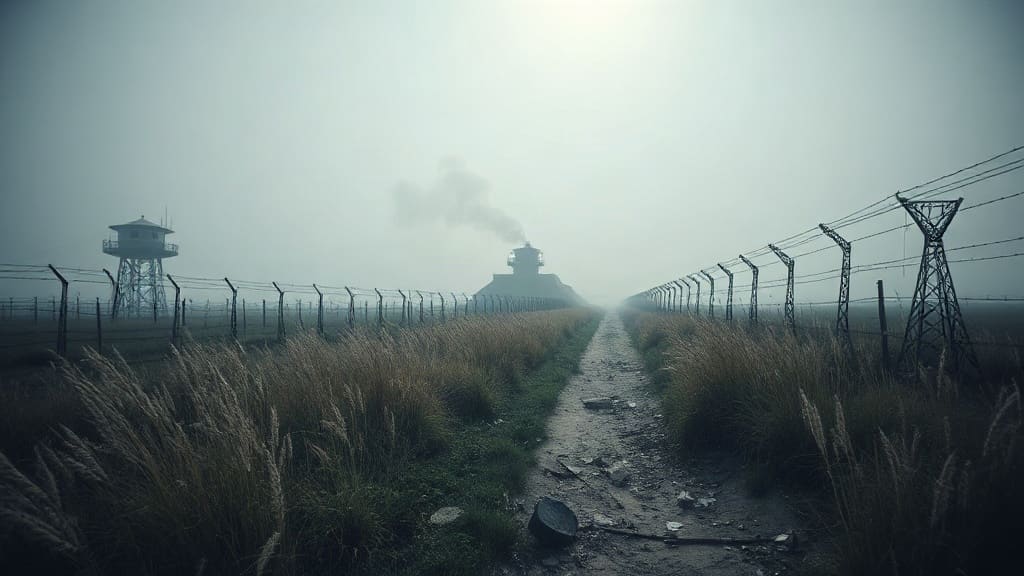
In a rare and pointed public demand, South Korea has called on North Korea to apologize and take responsibility for a landmine explosion that wounded three South Korean soldiers during a routine search operation south of the Demilitarized Zone (DMZ) on 21 September. The incident, which Seoul says involved North Korean mines placed on the southern side of the border, has injected fresh tension into an already fragile security environment on the Korean Peninsula.
According to South Korea's Joint Chiefs of Staff (JCS), the blast occurred while troops were conducting a search operation in the border area. Kang Hyun-woo, director of operations at the JCS, publicly demanded an apology and "responsible measures" from Pyongyang, marking a sharp diplomatic rebuke. The demand underscores Seoul's growing frustration with what it perceives as North Korean provocations, even as international efforts to revive diplomatic channels continue.
What Happened at the Border?
The incident unfolded on 21 September, when a landmine detonated near South Korean soldiers patrolling south of the DMZ. The explosion injured three service members, whose current condition has not been fully disclosed. South Korean military officials quickly attributed the blast to North Korean mines, asserting that the devices had been planted on the southern side of the border, which is technically South Korean territory under the armistice agreement.
While the DMZ itself is a buffer zone, the southern side is administered by South Korea and is routinely patrolled by its forces. The presence of North Korean mines there would constitute a direct violation of the armistice, which ended active hostilities in 1953 but never formally concluded the Korean War. The JCS's decision to go public with the accusation signals that Seoul views this not as an isolated accident but as a deliberate act requiring accountability.
Why This Incident Matters
The timing of the blast is significant. It comes amid tentative signs of diplomatic re-engagement on the peninsula, with both Koreas and their allies exploring ways to reduce tensions. South Korea's demand for an apology and "responsible measures" is therefore more than a procedural complaint; it is a test of North Korea's willingness to adhere to even the most basic norms of military conduct.
Landmines are particularly contentious because they indiscriminately threaten soldiers and civilians long after they are laid. North Korea is not a signatory to the Ottawa Treaty banning anti-personnel mines, and it is believed to have deployed thousands of them along the DMZ over the decades. The fact that these mines allegedly crossed into southern territory raises serious questions about border discipline and the risk of accidental escalation.
For South Korea, the injury of its soldiers is a sovereignty issue. The demand for an apology is a way to assert that such actions will not be tolerated and to pressure Pyongyang into clarifying the circumstances. It also serves a domestic purpose: the South Korean public expects its government to respond firmly to any attack on its troops.
The Diplomatic Fallout
North Korea has not yet responded publicly to the demand. Historically, Pyongyang has rejected similar accusations, often dismissing them as fabrications or blaming South Korea for provocations. If that pattern holds, the incident could further chill relations and complicate any ongoing backchannel talks.
International observers are watching closely. The United States, which maintains a military presence in South Korea, has a vested interest in ensuring that border incidents do not spiral out of control. China, North Korea's main ally, may also be quietly urging restraint. However, the lack of a formal peace treaty means that the DMZ remains one of the world's most dangerous flashpoints, where a single misstep can trigger a crisis.
South Korea's public demand for an apology is a diplomatic tool. It puts the burden on North Korea to either acknowledge the incident or face further isolation. If Pyongyang ignores the request, Seoul may consider other measures, such as raising the issue at the United Nations or tightening its own border surveillance. The incident also gives South Korea leverage in any future negotiations, highlighting the need for robust confidence-building measures.
What Are 'Responsible Measures'?
When South Korea asks for "responsible measures," it likely means several things: a formal acknowledgment of the incident, a commitment to prevent similar occurrences, and possibly compensation or punishment for those responsible. In past cases, such as the 2015 landmine blast that maimed two South Korean soldiers, North Korea initially denied involvement but later expressed regret through a joint statement after marathon talks. That precedent suggests that a similar negotiated outcome is possible, though it may take time.
The current demand is notable for its specificity. By naming Kang Hyun-woo and using the phrase "responsible measures," South Korea is signaling that it wants more than a vague expression of sympathy. It seeks a concrete response that affirms the armistice's relevance and North Korea's obligation to respect it.
The Human Cost
Behind the diplomatic wrangling are three injured soldiers and their families. Landmine injuries are often catastrophic, causing loss of limbs, shrapnel wounds, and long-term psychological trauma. The soldiers were performing a routine duty when they were struck, a reminder of the dangers faced by troops stationed along the DMZ.
South Korea's military has not released details about the severity of the injuries, but the fact that the incident prompted a public demand for an apology suggests that the wounds were serious. The government's response is also a message to its own forces: that their sacrifices are recognized and that Seoul will not let such acts go unanswered.
What Comes Next?
The ball is now in North Korea's court. If Pyongyang issues an apology and takes steps to address the incident, it could pave the way for renewed dialogue. If it remains silent or defiant, tensions are likely to rise further. South Korea may increase patrols, deploy additional mine-clearing equipment, or seek international condemnation.
Either way, the incident highlights the fragility of the current armistice regime. Without a formal peace treaty, the DMZ remains a tinderbox. Incidents like this one serve as stark reminders that the Korean War is not truly over and that the risk of accidental conflict is ever-present.
For now, South Korea's demand for an apology stands as a test of North Korea's intentions. The world will be watching to see whether Pyongyang chooses the path of accountability or continues its pattern of denial. The answer will shape not only the future of inter-Korean relations but also the broader security landscape of Northeast Asia.
Frequently Asked Questions
What exactly happened in the mine blast?
On 21 September, a landmine exploded during a South Korean search operation south of the DMZ, injuring three South Korean soldiers. South Korea's Joint Chiefs of Staff attributed the blast to North Korean mines planted on the southern side of the border.
Why is South Korea demanding an apology?
South Korea views the placement of mines on its territory as a violation of the armistice and a direct threat to its soldiers. The demand for an apology and "responsible measures" is a way to hold North Korea accountable and prevent future incidents.
Has North Korea responded to the demand?
As of now, North Korea has not issued a public response. In similar past incidents, Pyongyang has often denied involvement or remained silent before eventually negotiating a compromise.
What are the possible consequences if North Korea refuses?
If North Korea refuses to apologize, South Korea may take unilateral measures such as increased border patrols, mine-clearing operations, or raising the issue at the United Nations. It could also strain any ongoing diplomatic efforts.
How does this affect inter-Korean relations?
The incident adds tension to already fragile relations. It complicates efforts to revive dialogue and underscores the need for robust confidence-building measures to prevent accidental escalation along the DMZ.