
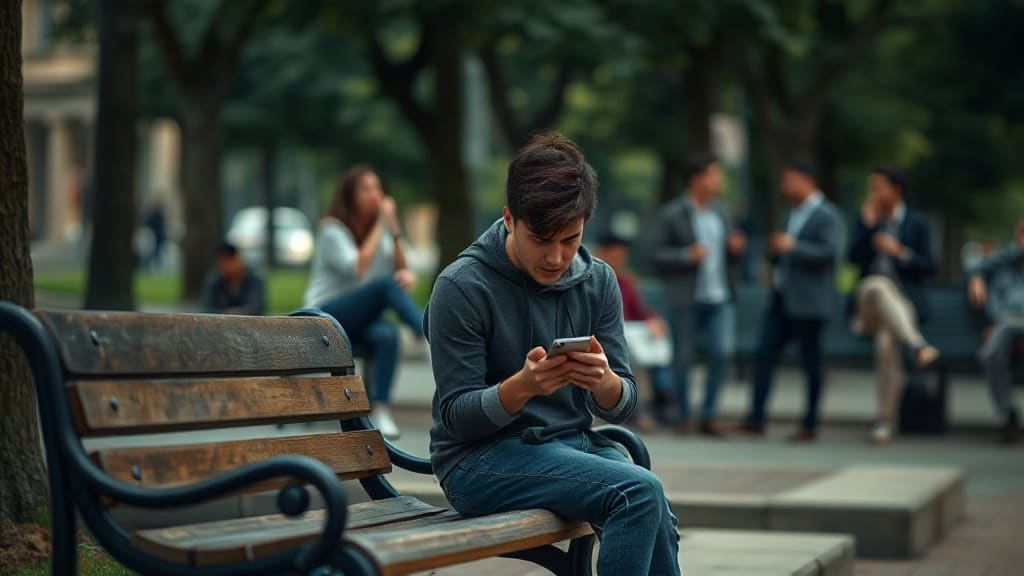
Social anxiety is more common than many think. While it's normal to feel nervous in certain social situations, for some people, the fear and avoidance can become overwhelming and interfere with daily life. What many don't realize is that certain everyday habits can inadvertently make social anxiety worse, creating a cycle that's hard to break. In this article, we'll uncover these hidden habits and provide actionable steps to help you regain control.
Understanding the subtle behaviors that fuel social anxiety is the first step toward change. These habits often fly under the radar, masquerading as coping mechanisms or personality traits. By identifying them, you can begin to dismantle the patterns that keep you stuck.
1. Avoiding Eye Contact
When you're anxious, looking someone in the eye can feel intensely uncomfortable. You might glance away, look down, or focus on a spot in the distance. While this may temporarily reduce your discomfort, it sends a signal to others that you're disengaged or uninterested. More importantly, it reinforces your brain's belief that eye contact is dangerous. Over time, this avoidance strengthens your anxiety.
How to break it: Start small. Practice holding eye contact for just a few seconds during low-stakes conversations, like with a cashier or a colleague you pass in the hall. Gradually increase the duration as you become more comfortable. Remember, you don't need to stare; brief, natural eye contact is enough to build connection.
2. Over-Preparing Conversations
Rehearsing what you'll say before a social event might seem like a smart strategy, but it often backfires. Scripting every word can make you more rigid and less able to adapt to the natural flow of conversation. When the interaction doesn't go as planned, you may feel like you've failed, which amplifies anxiety. Moreover, over-preparation can come across as insincere or distracted.
How to break it: Instead of scripting, focus on being present. Prepare a few general topics or questions you can ask others, but leave room for spontaneity. Remind yourself that conversations are a two-way street; you don't have to carry the entire burden. If you stumble, it's okay. Most people are more forgiving than you think.
3. Using Your Phone as a Safety Net
In social settings, it's tempting to pull out your phone when you feel awkward or alone. While it provides a temporary escape, it also prevents you from engaging with the people around you. This habit can make you appear unapproachable, reducing opportunities for social interaction and reinforcing feelings of isolation. The more you rely on your phone, the more you reinforce the idea that you can't handle social situations on your own.
How to break it: Set a goal to keep your phone in your pocket or bag during social gatherings. Challenge yourself to stay present and engage with at least one person. If you feel the urge to check your phone, take a deep breath and redirect your attention to your surroundings. You might be surprised by how much more connected you feel.
4. Seeking Reassurance
After a social interaction, you might replay the conversation in your head and seek reassurance from friends or family that you didn't say anything wrong. While seeking comfort is natural, constantly asking for validation can become a crutch. It teaches your brain that your anxiety is justified and that you need others to feel okay. This dependency can strain relationships and erode your self-confidence.
How to break it: When you feel the urge to seek reassurance, pause and ask yourself: What evidence do I have that things went badly? Often, there is none. Practice self-compassion and remind yourself that everyone makes mistakes in social interactions. If you must seek feedback, limit it to one trusted person and set a boundary for how often you'll ask.
5. Avoiding New Social Situations
It's natural to want to stick to what feels safe, but avoiding new social situations is a hallmark of social anxiety. Each time you decline an invitation or skip an event, you miss an opportunity to learn that you can cope. Avoidance reinforces fear and limits your world, making anxiety stronger over time.
How to break it: Create a ladder of social challenges, starting with situations that feel only mildly uncomfortable. For example, if large parties terrify you, start by attending a small gathering with a friend. Gradually work your way up. Celebrate each step, no matter how small. The goal is to teach your brain that you can handle social situations and that they are not as threatening as they seem.
6. Engaging in Negative Self-Talk
The way you talk to yourself matters. If you constantly tell yourself that you're boring, awkward, or unlikeable, you'll start to believe it. Negative self-talk fuels anxiety and can become a self-fulfilling prophecy. It also drains your energy and makes it harder to engage with others authentically.
How to break it: Start noticing when you engage in negative self-talk. Challenge those thoughts by asking: Is this really true? Would I say this to a friend? Replace negative statements with more balanced, realistic ones. For example, instead of thinking "I'm so awkward," try "I'm feeling nervous, and that's okay. I can handle this."
7. Relying on Alcohol to Cope
Many people with social anxiety turn to alcohol to feel more relaxed and outgoing. While a drink might temporarily ease your nerves, it can also lead to dependence and worsen anxiety in the long run. Alcohol can disrupt sleep, increase feelings of depression, and lower your inhibitions, leading to embarrassing situations that fuel more anxiety.
How to break it: If you find yourself relying on alcohol to get through social events, consider seeking healthier coping strategies. Try deep breathing, mindfulness, or simply giving yourself permission to leave early if you need to. If you suspect you have a drinking problem, don't hesitate to seek professional help.
When to Seek Professional Help
While self-help strategies can be effective, social anxiety can be debilitating. If your anxiety significantly interferes with your daily life, relationships, or work, it's important to seek professional support. Therapy, such as cognitive-behavioral therapy (CBT), has been shown to be highly effective for social anxiety. Medications may also be an option. Remember, asking for help is a sign of strength, not weakness.
Frequently Asked Questions
What are the most common hidden habits that worsen social anxiety?
Common hidden habits include avoiding eye contact, over-preparing conversations, using your phone as a safety net, seeking constant reassurance, avoiding new social situations, engaging in negative self-talk, and relying on alcohol to cope. These behaviors may provide short-term relief but ultimately reinforce anxiety.
How can I stop over-preparing for social interactions?
Instead of scripting every word, focus on being present and flexible. Prepare a few general topics or questions, but allow the conversation to flow naturally. Remind yourself that it's okay to make mistakes and that most people are understanding.
Is it possible to overcome social anxiety without professional help?
Mild social anxiety can often be managed with self-help strategies, such as gradual exposure, cognitive restructuring, and lifestyle changes. However, if anxiety significantly impacts your life, professional therapy or medication may be necessary for effective treatment.
What should I do if I rely on alcohol to feel comfortable in social situations?
If you're using alcohol to cope with social anxiety, it's important to find healthier alternatives. Practice relaxation techniques, set limits on alcohol consumption, and consider talking to a therapist. If you suspect a dependence, seek professional support.
Breaking these hidden habits takes time and patience, but it's entirely possible. By making small, consistent changes, you can reduce your social anxiety and enjoy more fulfilling connections with others. Remember, you're not alone, and help is available.