
The numbers coming out of Gaza are hard to absorb. More than 900 people have been killed in the Strip since the start of this year, according to the Hamas-run health ministry, even as a ceasefire remains nominally in place. The figure, which includes 301 children, paints a grim picture of a truce that has failed to hold on the ground. For families in Gaza, the daily reality is one of uncertainty, sporadic violence, and a constant fear that the next strike could come at any moment.
To understand how we got here, it helps to look back at the sequence of events since October 10. The total death toll since that date now exceeds 1,300, according to the ministry. The ceasefire, brokered after intense international pressure, was supposed to bring a halt to the bloodshed. Instead, it has become a fragile pause punctuated by bursts of violence that have kept the casualty count climbing. This article examines the reasons behind the continued killings, the human cost, and what this means for the prospects of a lasting peace.
Why Are People Still Dying Despite the Ceasefire?
Ceasefires are often fragile agreements, especially in a conflict as deeply entrenched as the one between Israel and Hamas. Several factors have contributed to the ongoing violence. First, there are sporadic military operations that both sides accuse each other of provoking. Israel has conducted strikes targeting what it says are militant positions or rocket-launching sites, while Hamas and other armed groups have fired rockets into Israeli territory. Each incident erodes trust and makes it harder to return to a full cessation of hostilities.
Second, the humanitarian crisis in Gaza has created conditions where even minor incidents can turn deadly. With infrastructure destroyed and medical supplies scarce, injuries that might be survivable elsewhere often prove fatal. The health ministry has repeatedly warned that hospitals are overwhelmed and unable to cope with the influx of wounded. This means that even a limited exchange of fire can result in a high number of casualties.
Third, there is the issue of disputed control and enforcement. The ceasefire was never accompanied by a robust monitoring mechanism on the ground. Without independent verification, both sides have been able to claim that the other is violating the terms while continuing their own operations. This has created a situation where violence persists, but accountability remains elusive.
The Human Toll: A Closer Look at the Numbers
The figures provided by the Hamas-run health ministry are staggering. Since October 10, more than 1,300 people have been killed, including 301 children. The fact that children make up such a large proportion of the dead is a stark reminder of the war's indiscriminate nature. Many of these children were killed in their homes, in schools, or while playing in the streets. Their deaths have left families shattered and communities traumatized.
The psychological impact on the surviving population is equally profound. Children who have witnessed the deaths of friends and family members are at risk of long-term mental health issues, including post-traumatic stress disorder. The lack of access to mental health services exacerbates this problem. In a place where basic survival is a daily struggle, the emotional scars of war often go untreated.
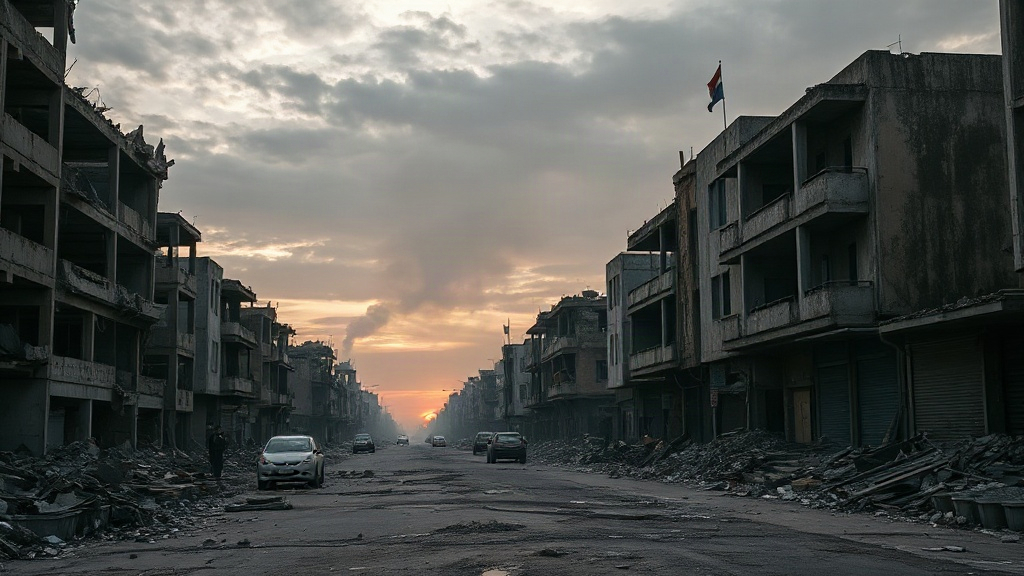
Beyond the immediate casualties, the ongoing violence has prevented any meaningful reconstruction. Homes, schools, and hospitals remain in ruins. The economy is in shambles, with unemployment rates soaring. For many Gazans, the ceasefire has not brought relief; it has merely frozen a status quo of suffering.
International Reactions and Diplomatic Efforts
The international community has expressed concern over the continued violence, but concrete action has been limited. The United Nations and various humanitarian organizations have called for an immediate end to all hostilities and for unrestricted access to deliver aid. However, these calls have largely gone unheeded. The Security Council has been divided, with some members supporting Israel's right to self-defense and others condemning what they see as disproportionate use of force.
Regional actors, including Egypt and Qatar, have attempted to mediate between the parties. These efforts have yielded temporary respites but have failed to produce a durable agreement. The underlying issues that sparked the conflict, including the blockade of Gaza, the status of Jerusalem, and the right of return for Palestinian refugees, remain unresolved. Until these are addressed, any ceasefire is likely to be temporary.
There is also a growing sense of fatigue among international observers. The conflict in Gaza has been overshadowed by other global crises, and the attention span of the international community is limited. This has allowed the situation to fester without the sustained diplomatic pressure needed to bring about real change.
The Role of the Health Ministry and Data Reliability
The casualty figures cited in this article come from the Hamas-run health ministry in Gaza. It is important to note that these numbers are often disputed. Israel has questioned their accuracy, arguing that the ministry inflates civilian deaths and fails to distinguish between combatants and non-combatants. Independent verification is nearly impossible due to restrictions on access to the Strip.
Despite these challenges, the health ministry's figures are widely used by international organizations, including the United Nations, as the most reliable available data. The ministry has a track record of providing detailed breakdowns of casualties, including names and ages, which lends credibility to its reports. However, the lack of independent oversight means that the true toll may never be known with certainty.
What is beyond dispute is that the human cost of the conflict is enormous. Whether the exact number is 900 or 1,000, the reality is that hundreds of families have lost loved ones in the past few months. Each death represents a personal tragedy that cannot be reduced to a statistic.
What Does This Mean for the Future of the Ceasefire?
The continued violence raises serious questions about the viability of the current ceasefire. If the agreement cannot prevent the deaths of civilians, what purpose does it serve? Some analysts argue that the ceasefire has become a fiction, a diplomatic fig leaf that allows both sides to claim they are abiding by international norms while continuing to pursue their military objectives.
Others contend that the ceasefire, however imperfect, has prevented a full-scale resumption of hostilities. Without it, they argue, the death toll would be far higher. This is a valid point, but it offers little comfort to those who have lost family members in the intermittent strikes that have continued unabated.
The path forward is unclear. A return to full-scale war would be catastrophic for the people of Gaza, but so too is the current state of limbo. What is needed is a renewed commitment to a comprehensive peace process that addresses the root causes of the conflict. This would require difficult compromises from both sides, as well as sustained engagement from the international community. Unfortunately, there is little indication that such a process is imminent.
Voices from the Ground
Amid the statistics and diplomatic wrangling, it is easy to lose sight of the human dimension of the conflict. But for those living in Gaza, the war is not an abstract concept; it is a daily reality. One resident, a mother of three, described the fear that grips her every time she hears an explosion. "We never know if the next bomb will hit our house," she said. "We just try to survive each day."
Another man, who lost his brother in a recent strike, expressed frustration with both sides. "The politicians talk, but nothing changes," he said. "We are the ones who pay the price." His words echo the sentiments of many Gazans who feel abandoned by the international community and trapped between warring factions.
These voices are a reminder that behind every number is a person with hopes, dreams, and fears. The failure to protect civilians is not just a policy failure; it is a moral one.
Frequently Asked Questions
Why are people still being killed in Gaza despite the ceasefire?
The ceasefire has been violated by both sides, with sporadic military operations and rocket fire continuing. The lack of a robust monitoring mechanism has allowed these violations to go unchecked, leading to ongoing casualties.
How reliable are the casualty figures from the Hamas-run health ministry?
The figures are contested, but they are widely used by international organizations as the best available data. The ministry provides detailed breakdowns, but independent verification is difficult due to access restrictions.
What is being done to stop the violence?
International diplomatic efforts, led by Egypt and Qatar, have produced temporary respites but no lasting solution. The UN and humanitarian organizations have called for an end to hostilities, but these calls have not been heeded.
What impact is the ongoing violence having on children in Gaza?
Children are disproportionately affected, both physically and psychologically. Many have been killed or injured, and those who survive face long-term trauma with little access to mental health support.
Is there any hope for a lasting peace?
The prospects are uncertain. A comprehensive peace process addressing the root causes of the conflict is needed, but there is little indication that such a process is imminent. The current ceasefire remains fragile and could collapse at any time.