
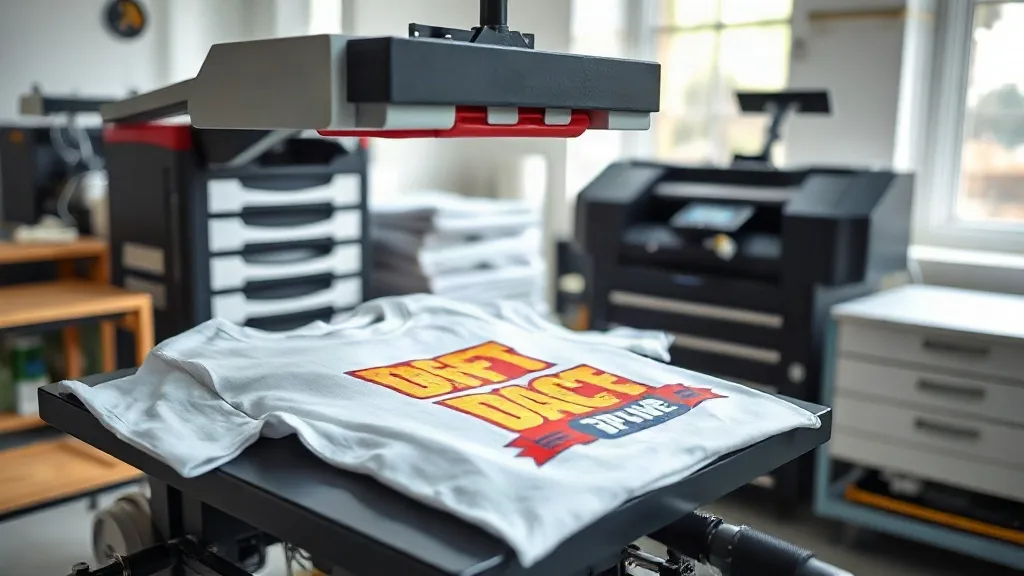
Imagine pressing a button and watching a design come to life on a t-shirt, tote bag, or even a pair of sneakers. That's the magic of dtf, a printing technology that's quickly becoming the go-to for creators and businesses who want vibrant, long-lasting custom apparel. Whether you're a small business owner looking to add personalized products or a hobbyist exploring new crafting techniques, understanding DTF transfers can open up a world of creative possibilities. In this guide, we'll walk you through everything you need to know about DTF transfers, from the basics to pro tips, so you can achieve professional-quality results right from your home or studio.
What Are DTF Transfers?
DTF stands for Direct to Film. It's a printing method where your design is printed onto a special film, coated with a adhesive powder, and then heat-pressed onto fabric. Unlike other methods like DTG (Direct to Garment) or screen printing, DTF transfers work on a wide range of materials, including cotton, polyester, blends, and even nylon. The process is relatively simple: print, powder, cure, and press. The result? A soft, stretchable, and durable print that can handle washing and wear without cracking or fading.
How DTF Transfers Differ from Other Printing Methods
Traditional screen printing requires separate screens for each color, making it cost-effective only for large orders. DTG printing works best on 100% cotton and often requires pre-treatment. DTF transfers, on the other hand, don't need pre-treatment, work on almost any fabric, and can produce full-color designs with fine details. Plus, you can print small batches or one-offs without breaking the bank. This flexibility makes DTF transfers a game-changer for small businesses and personalized gifts.
The DTF Transfer Process Step by Step
Understanding the process helps you troubleshoot issues and get consistent results. Here's what happens from digital file to finished product.
Step 1: Design Preparation
Start with a high-resolution image. DTF printing can handle intricate details, but low-res files will look pixelated. Use design software to ensure your colors are vibrant and your background is transparent if needed. Remember that DTF prints are opaque, so white ink is used as a base for vibrant colors on dark fabrics.
Step 2: Printing
Your design is printed onto a PET film using a DTF printer. The printer lays down white ink first, followed by CMYK colors. This order ensures that colors pop on any fabric color.
Step 3: Powdering
While the ink is still wet, a thermoplastic powder is applied evenly over the print. This powder acts as the adhesive that will bond the design to the fabric during heat pressing.
Step 4: Curing
The film goes through a curing oven or heat press to melt the powder. This step is crucial; under-curing leads to wash-off, while over-curing can cause the film to warp. Follow your powder's guidelines for temperature and time.
Step 5: Heat Pressing
Finally, the transfer is placed on the garment and pressed with a heat press. Typical settings are 300-325°F for 10-15 seconds with medium pressure. After pressing, peel the film off while it's hot or cold, depending on the film type. And voilà! Your custom apparel is ready.
Why Choose DTF Transfers for Your Projects?
There are plenty of reasons why DTF transfers have become a favorite among crafters and professionals alike. Let's break down the key benefits.
- Versatility: Works on cotton, polyester, blends, leather, and more. No need for different techniques for different fabrics.
- Durability: Prints resist cracking, peeling, and fading even after multiple washes.
- Vibrancy: The white ink base allows for bright, opaque colors on dark garments.
- Cost-Effective for Small Batches: No minimum order quantities, making it ideal for personalized items.
- Detail Retention: Fine lines, gradients, and photographs reproduce beautifully.
- Stretchability: The print stretches with the fabric without breaking, perfect for activewear.
These advantages make DTF transfers a smart choice for businesses selling custom t-shirts, tote bags, and promotional items. Plus, the ability to produce on-demand reduces inventory waste.
Common Applications of DTF Transfers
From fashion to function, DTF transfers are used in various industries. Here are some popular applications:
- Custom Apparel: T-shirts, hoodies, jeans, and jackets with personalized designs.
- Sportswear: Jerseys and activewear with team logos and numbers.
- Accessories: Tote bags, hats, and even shoes.
- Home Decor: Pillows, curtains, and upholstery.
- Promotional Products: Branded merchandise for events and giveaways.
Whether you're creating a one-of-a-kind gift or fulfilling a client order, DTF transfers deliver professional results.
Tips for Perfect DTF Transfers
To get the best results, keep these tips in mind:
- Choose the Right Film: Not all DTF films are created equal. Some are designed for hot peel, others for cold peel. Match the film to your workflow.
- Control Moisture: Fabric should be dry before pressing. Moisture can cause adhesion issues.
- Pre-Press Garments: A quick pre-press removes wrinkles and moisture, ensuring a smooth surface.
- Use Consistent Pressure: Uneven pressure leads to patchy transfers. Invest in a quality heat press.
- Test Wash Durability: Always wash a sample before selling or wearing. Follow care instructions: wait 24 hours before first wash, wash inside out in cold water, and avoid bleach.
By following these guidelines, you'll achieve vibrant, long-lasting prints that impress.
DTF Transfers vs. Other Printing Methods: A Comparison
How does DTF stack up against other popular printing techniques? Here's a quick comparison:
- DTF vs. DTG: DTF works on more fabrics and doesn't require pre-treatment, but DTG can be more cost-effective for 100% cotton in large volumes.
- DTF vs. Screen Printing: Screen printing is cheaper for bulk orders but requires setup per color. DTF is better for detailed, multi-color designs and small batches.
- DTF vs. Vinyl: Vinyl is limited to simple shapes and colors. DTF handles complex designs and gradients with ease.
- DTF vs. Sublimation: Sublimation only works on polyester and requires light-colored fabrics. DTF works on any color and fabric.
Each method has its place, but DTF transfers offer a unique blend of versatility and quality.
Getting Started with DTF Transfers
Ready to dive in? Here's what you'll need:
- DTF Printer: Options range from entry-level to industrial. Choose based on your volume.
- DTF Film: Available in rolls or sheets. Ensure it's compatible with your printer.
- Adhesive Powder: Usually TPU-based. Store in a dry place.
- Curing Oven or Heat Press: For melting the powder.
- Heat Press: For applying transfers to garments.
- Design Software: Adobe Illustrator, Photoshop, or free alternatives like Inkscape.
Start with a small setup to learn the ropes, then scale as you grow. Many suppliers offer starter kits that include everything you need.
Frequently Asked Questions About DTF Transfers
How long do DTF transfers last?
With proper application and care, DTF transfers can last as long as the garment itself. They withstand 50+ washes without significant fading or cracking when washed inside out in cold water and tumble dried low.
Can I use DTF transfers on dark colors?
Absolutely! DTF transfers include a white ink base that makes colors pop on dark fabrics. This is one of their biggest advantages over other methods.
Do I need a special printer for DTF?
Yes, you need a DTF printer that uses DTF inks and can handle PET film. However, you can also buy pre-printed DTF transfers from suppliers if you don't want to invest in a printer.
What fabrics work best with DTF transfers?
DTF transfers adhere well to cotton, polyester, blends, nylon, and even leather. They are not recommended for fabrics with a heavy waterproof coating or those that can't withstand heat.
How do I store DTF transfers?
Store unused transfers in a cool, dry place away from direct sunlight. Keep them flat to avoid creasing. Properly stored, they can last for months.
DTF transfers are more than a trend; they're a versatile tool that empowers creators to bring their ideas to life on almost any fabric. With the right knowledge and a bit of practice, you can produce stunning, durable custom apparel that stands out. So why not give it a try? Your next masterpiece is just a press away.