
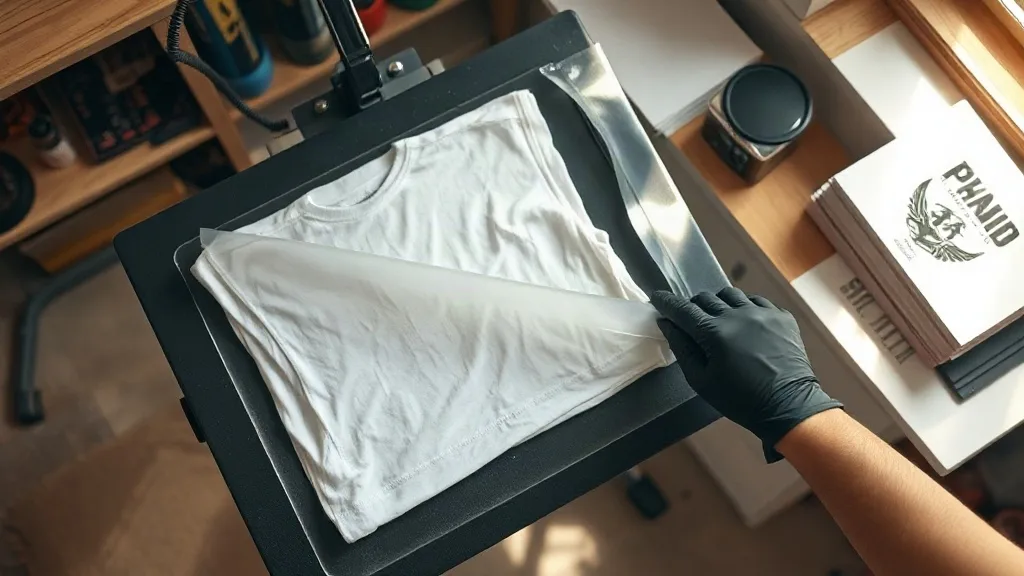
Most people who try dtf transfers for the first time do it for one reason: they want a full-color design on a shirt without buying a $20,000 printer. That instinct is correct. Direct-to-film has quietly become the most forgiving entry point into garment decoration, and it works on cotton, polyester, blends, canvas totes, and even some nylon jackets that would laugh at you if you tried heat transfer vinyl on them. But the gap between a transfer that survives fifty washes and one that cracks after two is rarely about the printer. It is almost always about the film, the powder, and the press settings.
This guide is written from the perspective of someone who has peeled too many failed prints off a shirt and had to start over. If you are buying dtf sheets for a side business, a school club, or just a home setup, the details below will save you money and a fair amount of frustration.
What a DTF Transfer Actually Is
A DTF transfer is a printed film sheet. Your design is printed in reverse onto a special PET film using pigment inks, then a thermoplastic adhesive powder is applied to the wet ink while it is still tacky. The powder fuses into the ink under heat, and that fused layer becomes the glue that bonds the design to fabric. When you press the sheet onto a shirt, the powder melts into the fibers, the film backing peels away, and what is left behind is a thin, flexible layer of color.
The important consequence is that the adhesive is doing the heavy lifting, not the ink. A transfer with too little powder will look fine on the press and then flake at the edges within a week. A transfer with too much powder feels stiff and plasticky, like a cheap iron-on patch from the 1990s. Good suppliers calibrate this, which is why buying from a consistent source matters more than buying the cheapest sheet you can find.
Why It Works on So Many Fabrics
Heat transfer vinyl needs a smooth surface and often a specific fiber type. DTF is more tolerant because the adhesive powder mechanically grips the weave rather than relying on a chemical match with the fabric. Cotton, polyester, 50/50 blends, and even spandex-heavy athletic wear all accept it. The main exceptions are heavily textured materials like thick terry cloth and anything with a water-repellent coating, which prevents the powder from bonding.
How to Judge Quality Before You Press
You can learn a lot about a transfer before it ever touches a heat press. Run through these checks when a new batch arrives:
- Ink density: Hold the sheet up to a light. Thin, patchy areas mean the white underbase is too light, and those spots will look washed out on dark garments.
- Powder coverage: The powdered side should look evenly frosted, with no glossy wet patches. Glossy spots are where powder failed to stick.
- Film clarity: The backing should be transparent, not cloudy or yellowed. Cloudiness usually signals old stock or moisture exposure.
- Edge definition: Fine details and small text should be crisp. If lettering already looks fuzzy on the film, it will look worse after pressing.
One more practical note: ask how the sheets are shipped. Film that sits in a hot delivery truck for three days can absorb moisture, and moist film causes powder to clump and prints to pop off in the wash. Suppliers who bag each order with a desiccant pack are telling you something about how seriously they take their product.
Press Settings That Prevent Peeling
Every press runs a little differently, so treat any published temperature as a starting point rather than gospel. That said, the general window for DTF is 300 to 320 degrees Fahrenheit for 10 to 15 seconds with medium to firm pressure. Peel while the transfer is still warm, not hot and not fully cold. Warm peel gives the adhesive time to settle without stretching the film.
The Two Mistakes That Cause Most Failures
The first is pressing through a Teflon sheet that is too thick, which insulates the transfer and prevents the powder from reaching full melt. A thin protective sheet or a piece of parchment works better. The second is pressing a second time to "make sure it sticks." Double pressing overheats the adhesive and makes it brittle. If a corner lifted, repress just that corner for three seconds.
Pre-pressing the garment for a few seconds to remove moisture is not optional. Cotton holds humidity, and that steam will travel straight into your adhesive layer. It is a thirty-second habit that eliminates a whole category of failures.
Storing Transfers So They Stay Usable
Keep unused sheets flat, in a sealed bag, away from sunlight and humidity. Do not stack heavy objects on them. A common mistake is storing transfers in a garage or shed where temperatures swing through the day. Film does not enjoy that, and neither does the powder. If you print in batches, label each bag with the date so you use older stock first. Most transfers stay workable for several months when stored properly, and considerably less when left loose on a shelf.
Finding a Reliable Supplier
If you are searching for dtf transfers near me, the local option is often a print shop that runs gang sheets for customers. That is a good route when you need a small run fast and want to inspect the output in person. For repeat orders, online suppliers usually win on price and turnaround, especially if they offer gang sheet builders where you arrange multiple designs on one film to cut waste.
Whichever route you take, order a small sample first. Press one transfer onto a scrap of the exact fabric you plan to use, wash it three times, and look at the edges. A supplier who passes that test is worth keeping. One who does not is not worth a discount.
Frequently Asked Questions
Can I use DTF transfers on dark shirts without a white underbase?
No. Dark fabrics need an opaque white layer behind the color, and reputable DTF sheets include it automatically. If a transfer looks translucent on the film, it will look muddy on a black shirt.
How long should I wait before washing a finished garment?
Twenty-four hours is a safe minimum. The adhesive continues to cure as it cools and settles. Wash inside out in cold water and skip the dryer's high heat setting to extend the life of the print.
Do DTF transfers work on 100% polyester athletic wear?
Yes, and this is one of their strongest use cases. Polyester accepts the adhesive well, and the thin film does not stiffen the fabric the way vinyl can. Just lower your press temperature slightly, since polyester is sensitive to high heat and can glaze.
What is a gang sheet and should I order one?
A gang sheet is a single large film with several designs arranged on it to minimize wasted space. If you have multiple small logos or a batch of shirt designs, a gang sheet lowers your cost per print considerably compared with ordering each design separately.
Why did my transfer peel after the first wash?
In most cases it is one of three things: insufficient pressure during pressing, powder that absorbed moisture before use, or washing in hot water before the adhesive fully cured. Check pressure first, since it is the easiest to fix.