
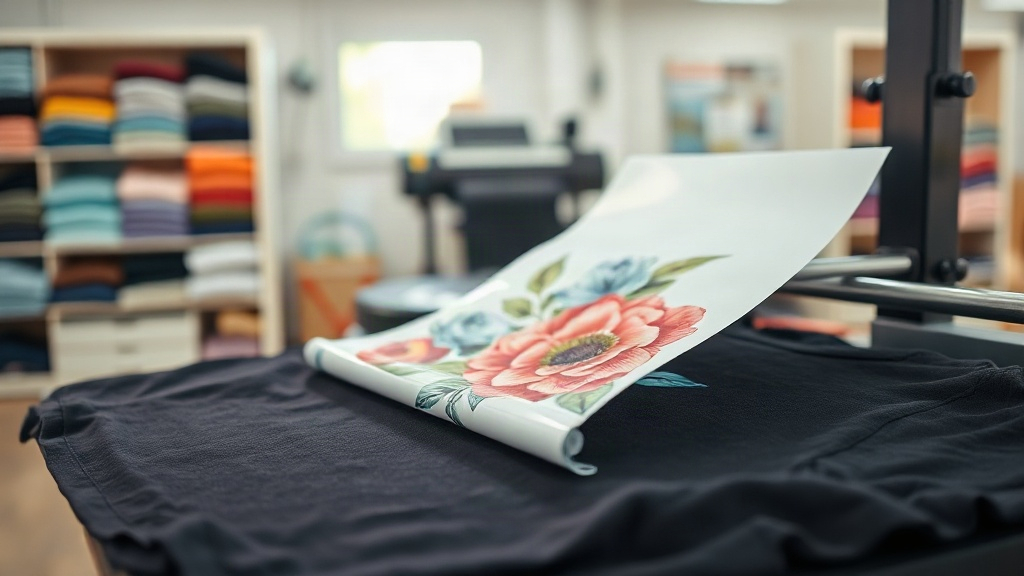
Have you ever held a freshly printed DTF transfer in your hands, felt the slight texture of the ink, and thought, "This is exactly what my design needed"? If you are searching for dtf transfers near me, you are probably tired of mediocre prints from distant online suppliers, or maybe you just want to support a local business while getting faster turnaround. I have spent years testing different DTF printing services, from big online platforms to small local shops, and I can tell you that finding the right partner is a game changer for custom apparel, tote bags, or even quirky personal projects.
This guide will walk you through everything you need to know about dtf transfers, how to locate quality dtf transfers providers in your area, and what to look for to avoid wasting money on subpar prints. Whether you are a small business owner, a crafter, or someone planning a one-off gift, you will leave with practical tips and a clear action plan.
What Are DTF Transfers and Why Are They So Popular?
DTF stands for "Direct to Film," a printing method where a design is printed onto a special PET film, covered with a hot-melt adhesive powder, and then heat-pressed onto fabric. Unlike traditional vinyl cutting or screen printing, DTF offers incredible detail, vibrant colors, and the ability to print on a wide range of fabrics including cotton, polyester, blends, and even some non-textile surfaces.
The popularity of dtf transfers exploded because they combine the best of both worlds: the soft hand feel of screen printing with the full-color capability of digital printing. You can print complex gradients, tiny text, and photorealistic images without the need for color separation or expensive screens. For small runs or one-off custom items, DTF is often more cost-effective than screen printing.
How DTF Differs from DTG and Sublimation
You might have heard of DTG (Direct to Garment) or sublimation printing. DTG prints directly onto the garment, which works well for cotton but can be slow and requires pretreatment. Sublimation only works on polyester or polymer-coated items and light colors. DTF, on the other hand, prints onto a film that can be stored and applied later, works on almost any color fabric, and does not require pretreatment. That flexibility is why so many people are searching for dtf transfers near me.
Why Local DTF Services Beat Online-Only Options
Ordering from a big online DTF supplier can be convenient, but it comes with hidden costs: shipping delays, minimum order quantities, and the inability to see or feel the print quality before committing. When you find a local provider, you can often visit their shop, discuss your project face-to-face, and even watch a sample run. This personal interaction reduces miscommunication and ensures your final product matches your vision.
Another advantage is speed. If you need transfers for an event next weekend, a local shop can sometimes turn around your order in 24 to 48 hours. You also save on shipping, which for DTF transfers can be significant if you order in bulk. Plus, supporting local businesses keeps money in your community and builds relationships for future projects.
What to Expect from a Quality Local DTF Provider
A reputable dtf transfers service should offer:
- High-resolution printing (at least 1440 dpi) for crisp details.
- Quality adhesive powder that cures properly for wash durability.
- Color matching services or ICC profiles to ensure your brand colors are accurate.
- Flexible order sizes, from a single sheet to hundreds of sheets.
- Clear pricing with no hidden setup fees.
- Fast turnaround and reliable communication.
When you search for dtf transfers near me, don't just pick the first result. Visit their website, check reviews on Google or Yelp, and if possible, ask for a sample print to test on your own fabric.
How to Find Reliable DTF Transfers Near You
Your first instinct might be to type "dtf transfers near me" into Google and call the top three results. That's a good start, but you can dig deeper. Here is a step-by-step approach I use:
- Search with specific terms: Try variations like "custom DTF printing [your city]" or "DTF transfer service [your suburb]." This often reveals smaller shops that don't rank for the generic phrase.
- Check local business directories: Yelp, Facebook Business, and the Better Business Bureau can show customer feedback and complaints.
- Join local maker or apparel groups: Facebook groups or Reddit communities often have recommendations from people who have already tested local services.
- Ask for samples: Many local shops will provide a small sample transfer for free or a small fee. This is the best way to judge quality.
- Visit the shop if possible: Seeing their equipment and talking to the staff gives you confidence in their capabilities.
Questions to Ask Before Ordering
When you contact a potential provider, don't be shy. Ask these important questions:
- What type of film and ink do you use? (Look for brands like Kodak, Dupont, or other reputable suppliers.)
- Can you match a specific Pantone color?
- What is your minimum order quantity?
- How long have you been doing DTF printing?
- Do you offer a guarantee or reprint if the transfer fails during pressing?
- What is your typical turnaround time for small and large orders?
Their answers will tell you a lot about their expertise and customer service. A good provider will be transparent and willing to educate you.
Understanding DTF Transfer Quality: What to Look For
Not all dtf transfers are created equal. The quality depends on several factors, and you should be able to recognize a good print from a bad one even before pressing.
Ink Density and Color Vibrancy
Hold the transfer up to the light. The printed areas should be opaque enough that the fabric color won't show through, especially for white ink. Colors should look vibrant and accurate to your original design. If the print looks faded or the white base is thin, the transfer will likely look washed out on dark garments.
Adhesive Powder Application
The adhesive powder should be evenly distributed across the entire printed area with no bare spots or clumps. After curing, the powder should melt into a smooth, slightly glossy layer. If you can see loose powder or uneven melting, the transfer may peel off after a few washes.
Film Quality and Cure
The PET film should release cleanly after pressing without leaving any residue on the garment. A proper cure ensures the ink and adhesive bond well. Some providers under-cure to save time, which leads to poor washability. Ask about their curing process and whether they use a conveyor dryer or heat press for curing.
Wash Durability
A high-quality DTF transfer should survive at least 50 washes without significant cracking or fading. You can test this yourself by ordering a sample and washing it repeatedly. If the local shop is confident in their product, they will not hesitate to provide a sample for testing.
DTF Transfers for Business vs. Personal Use
Your needs will vary depending on whether you are running a business or just doing a fun project. For business owners, consistency and reliability are critical. You need a supplier who can deliver the same color and quality every time, because your customers expect it. That's where a local dtf transfers partner can be invaluable. You can build a relationship, negotiate bulk pricing, and even set up recurring orders.
For personal use, such as making a custom shirt for a birthday or a small batch of tote bags for a family reunion, you might be more flexible on turnaround and price. But even then, quality matters. A poorly printed transfer can ruin a special gift. That's why I always recommend testing a small order first, no matter the project size.
Cost Comparison: Local vs. Online DTF Services
Local DTF printing may be slightly more expensive per sheet than large online factories, but when you factor in shipping, minimums, and the ability to avoid costly mistakes, the total cost can be lower. For example, an online supplier might charge $8 per sheet but require a minimum of 10 sheets plus $15 shipping. A local shop might charge $10 per sheet with no minimum and no shipping. If you only need 3 sheets, local is cheaper.
Additionally, local providers often offer package deals for bulk orders, and you can pick up the transfers yourself to save even more. Don't be afraid to negotiate, especially for repeat business.
Common Mistakes to Avoid When Ordering DTF Transfers
I have made plenty of mistakes over the years, and I want to save you from the same headaches. Here are the most common pitfalls:
- Not checking file resolution: Always send a high-resolution PNG or vector file. Low-res images will look pixelated when printed.
- Ignoring color profiles: If your design uses specific brand colors, ask about color matching. Otherwise, the printed colors may differ from your screen.
- Choosing the wrong transfer size: Measure your garment's print area and choose a transfer size that fits comfortably. Too large can look awkward, too small can be lost.
- Forgetting to mirror the design: If you are providing your own file for printing, DTF transfers require the design to be mirrored so it appears correctly after pressing. A good provider will handle this, but it's worth confirming.
- Not testing on the actual fabric: Different fabrics absorb heat differently. Always test on a scrap of the same material before pressing your final garment.
How to Press DTF Transfers at Home or in Your Shop
If you are applying the transfers yourself, proper pressing is crucial. Here is a basic guide:
- Pre-press your garment: Place the garment on the heat press and press for 5-10 seconds to remove moisture and wrinkles.
- Position the transfer: Place the DTF transfer with the printed side down (the adhesive side should be facing the fabric).
- Press: Set your heat press to 300-320°F (150-160°C) and press for 10-15 seconds with medium to firm pressure.
- Cool peel: Allow the transfer to cool completely before peeling the film. Some films are hot peel, but most DTF films are cold peel. Check with your supplier.
- Post-press: Cover the design with parchment paper and press again for 5-10 seconds to ensure a smooth finish.
Different films and adhesives may have slightly different settings, so always follow the instructions provided by your dtf transfers supplier.
The Future of DTF Printing and Local Services
The DTF market is growing rapidly, and more local print shops are adding DTF capabilities to stay competitive. This is great news for you because it means more options and better prices. Some shops are even offering same-day DTF transfer printing for urgent orders. As technology improves, we can expect even faster production, more eco-friendly inks, and perhaps even lower costs.
If you are considering starting your own DTF printing business, investing in a quality printer and learning the process can be profitable. But for most people, finding a reliable dtf transfers near me service is the smartest move. You get professional results without the upfront investment in equipment.
Final Thoughts on Choosing Your Local DTF Partner
Finding the right DTF transfer provider is about more than just price. It's about trust, quality, and convenience. Take the time to research local options, ask questions, and test samples. Once you find a shop that consistently delivers excellent dtf transfers, you will have a valuable partner for all your custom printing needs.
Remember, the best dtf transfers near me are the ones that make your life easier and your products better. Don't settle for less. Start your search today, and you might be surprised at the hidden gems in your own backyard.
Frequently Asked Questions About DTF Transfers
What is the difference between DTF and DTG printing?
DTF prints onto a film that is then transferred to fabric using adhesive powder and heat. DTG prints directly onto the garment. DTF works on more fabric types and colors, while DTG is best for cotton and light colors. DTF transfers can be stored and applied later, whereas DTG must be printed on demand.
How long do DTF transfers last after washing?
High-quality DTF transfers can withstand 50 or more washes without significant fading or cracking, provided they are pressed correctly and the garment is washed inside out in cold water. The durability depends on the quality of the ink, adhesive, and curing process used by the provider.
Can I use a regular iron to apply DTF transfers?
It is possible but not recommended. A heat press provides even heat and pressure, which are critical for proper adhesion. A regular iron may have hot spots and uneven pressure, leading to poor bonding and premature peeling. If you must use an iron, apply firm pressure and move it constantly, but results may vary.
What file format should I send for DTF printing?
The best file format is a high-resolution PNG with a transparent background, at least 300 dpi at the intended print size. Vector files like SVG or AI are also excellent. Avoid sending low-resolution JPGs or files with a white background unless you want the white printed as part of the design.
How do I find DTF transfers near me that offer rush service?
Search online for "same day DTF transfers near me" or call local print shops and ask about their rush options. Many shops can accommodate urgent orders for an additional fee. Be prepared to provide a print-ready file and confirm that their schedule allows for same-day or next-day turnaround.