
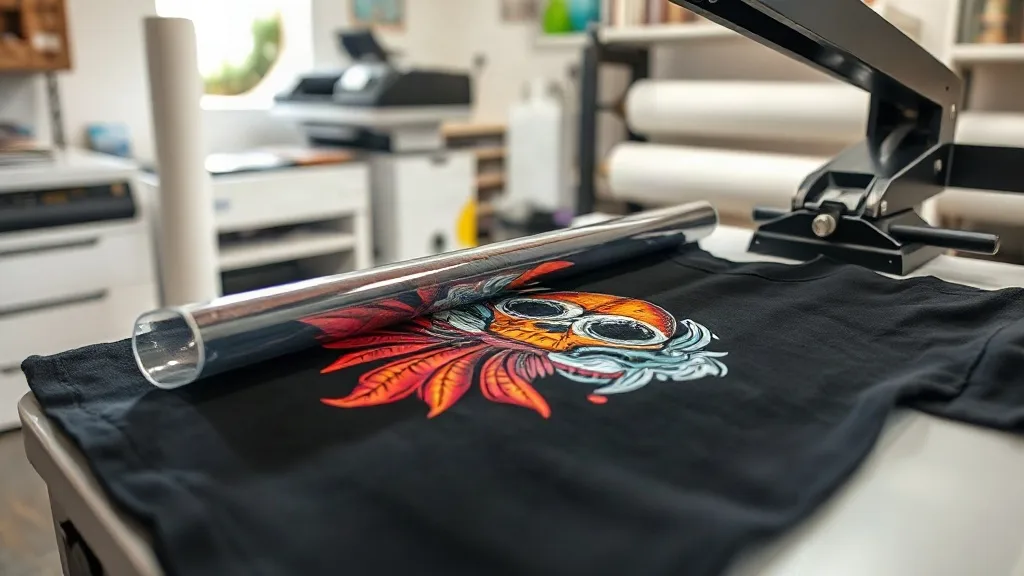
Custom apparel printing has always been a game of trade-offs: screen printing delivers bold colors but struggles with intricate details; vinyl offers precision but limits color blending; and direct-to-garment (DTG) excels on cotton but falters on synthetics. Enter dtf transfers, a relative newcomer that sidesteps many of these compromises. Since its commercial debut in the mid-2010s, DTF technology has quietly reshaped how small shops and large manufacturers approach fabric decoration. Whether you're a hobbyist with a heat press or a production manager scaling orders, understanding DTF transfers can unlock new creative and business possibilities.
What Exactly Are DTF Transfers?
At its core, DTF stands for direct-to-film. The process involves printing a design onto a special PET film using water-based pigment inks, then applying a thermoplastic powder (often called hot-melt adhesive) while the ink is still wet. After curing, the film is placed onto a garment and pressed with a heat press. The adhesive melts, bonding the ink to the fabric, and after cooling, the film is peeled away, leaving a soft, stretchable print.
Unlike DTG, which prints directly onto the garment, DTF separates the printing and application steps. This decoupling offers significant advantages: you can print designs in bulk on film, store them, and apply them on demand. It also means you're not limited by garment type. Cotton, polyester, blends, nylon, leather, even treated wood and ceramics can receive DTF transfers with proper surface preparation.
Why DTF Transfers Are Gaining Traction
The rising popularity of dtf transfers isn't just hype. It stems from a combination of technical merits and market demands. Let's break down the key drivers.
1. Unmatched Color Vibrancy and Detail
DTF printers typically use CMYK plus white ink, allowing for full-color reproductions with fine gradients and photographic detail. The white ink layer acts as a base, ensuring colors pop even on dark fabrics. This is a stark contrast to vinyl, where layering multiple colors is labor-intensive and often results in a thick, plastic-like feel.
2. Versatility Across Fabrics
One of the most compelling reasons to adopt DTF is its near-universal compatibility. Traditional DTG requires cotton-rich fabrics because the ink binds with cotton fibers. DTF, however, adheres via the adhesive powder, which bonds to almost any surface. This opens doors for decorating polyester athletic wear, nylon jackets, and even non-textile items like canvas bags and mousepads.
3. Durability and Washability
When applied correctly, DTF prints withstand dozens of wash cycles without significant fading or cracking. The adhesive forms a flexible bond that moves with the fabric, reducing the likelihood of peeling. This durability makes DTF suitable for workwear, sports jerseys, and everyday apparel.
4. Cost-Effective for Small and Large Runs
Screen printing requires separate screens for each color, making short runs expensive. DTF eliminates setup costs; you can print one-off designs or thousand-unit batches with the same efficiency. For small businesses, this means offering personalized products without minimum order quantities.
How DTF Transfers Compare to Other Printing Methods
To appreciate DTF's place in the market, it helps to see how it stacks up against established techniques.
DTF vs. Screen Printing
Screen printing remains the gold standard for large orders of simple designs. It offers excellent color opacity and low cost per unit at high volumes. However, it's impractical for complex, multi-color images or small batches. DTF shines in those scenarios, delivering detailed prints without screens.
DTF vs. DTG
DTG is praised for its soft hand feel on cotton, but it requires pre-treatment, struggles with polyester, and often produces less vibrant colors on dark garments. DTF requires no pre-treatment, works on more fabrics, and typically yields more saturated colors. The trade-off is a slightly thicker feel, though modern films and powders have minimized this.
DTF vs. Vinyl
Heat transfer vinyl (HTV) is great for simple text and single-color logos, but multi-color designs require layering, which adds thickness and time. DTF handles full-color designs in a single press, with better stretchability and no weeding.
Setting Up a DTF Workflow: Key Considerations
If you're considering adding DTF to your operation, here are practical points to keep in mind.
Printer and Ink Selection
Dedicated DTF printers from brands like Epson, Roland, and Mutoh are available, but many startups convert Epson EcoTank models with DTF ink kits. The key is using pigment inks formulated for DTF, as regular DTG inks may not adhere properly to the film. White ink circulation systems are crucial to prevent clogging.
Film and Powder Choices
Not all PET films are created equal. Look for films with a consistent coating that releases the ink cleanly. The adhesive powder comes in fine and coarse grades; finer powders suit detailed designs, while coarser powders provide stronger bonds for heavy fabrics. Humidity and storage conditions affect powder performance, so keep them sealed and dry.
Heat Press Parameters
Temperature, pressure, and time vary by film and powder manufacturer. A typical starting point is 160°C (320°F) for 15 seconds at medium pressure, followed by a cold peel. Always test with your specific materials. Too much heat can cause the film to curl or the ink to smear; too little results in poor adhesion.
Curing and Finishing
After powder application, you must cure the film to melt the powder. This can be done in an oven or with a heat press using a protective sheet. Proper curing ensures the adhesive becomes tacky enough to bond during the final press. Skipping this step leads to prints that peel after a few washes.
Applications Beyond T-Shirts
While T-shirts are the most common canvas, DTF transfers excel on a variety of products. Here are some ideas:
- Sportswear: Polyester jerseys, leggings, and jackets benefit from DTF's stretchability and colorfastness.
- Workwear: High-visibility vests and uniforms can feature reflective or glow-in-the-dark DTF films.
- Accessories: Tote bags, backpacks, and hats can be decorated with detailed logos.
- Home Decor: Pillow covers, aprons, and even canvas shoes can be personalized.
- Promotional Items: Mousepads, coasters, and notebooks accept DTF transfers on flat, heat-resistant surfaces.
Challenges and How to Overcome Them
No technology is without hurdles. DTF has its own set of challenges, but most are manageable with experience.
Color Management
Because DTF uses a white base, colors can appear differently than on screen. Investing in a color profile for your printer and RIP software helps maintain consistency. Regular nozzle checks and printhead cleaning also prevent banding.
Adhesion Issues
If prints peel, the culprit is often insufficient pressure, incorrect temperature, or expired powder. Ensure your heat press is calibrated and apply even pressure. For stretchy fabrics, use a powder with high elasticity.
Film Waste
DTF film is a consumable, and mistakes can be costly. Nest your designs efficiently in the RIP software and consider printing on roll film rather than sheets for larger runs.
Frequently Asked Questions About DTF Transfers
How long do DTF transfers last on garments?
With proper application and care, DTF prints can last 50+ washes. Turn garments inside out and wash in cold water to extend longevity.
Can I use DTF transfers on 100% polyester?
Yes, DTF adheres well to polyester. In fact, it often outperforms DTG on synthetics. Just ensure the fabric can withstand the heat press temperature.
Do I need a special printer for DTF?
You can convert certain inkjet printers with DTF ink and film, but dedicated DTF printers offer better reliability and white ink circulation. Many starters use converted Epson models.
What is the difference between DTF and DTG?
DTF prints on film then transfers to fabric, while DTG prints directly onto the garment. DTF works on more fabrics and requires no pre-treatment, but DTG can offer a softer feel on cotton.
Is DTF transfers eco-friendly?
DTF uses water-based inks and no PVC, making it more environmentally friendly than vinyl. However, the PET film and plastic powder contribute to waste, so recycling programs are emerging.
As the custom apparel industry continues to evolve, DTF transfers stand out as a versatile, cost-effective solution. Whether you're a small business owner or a DIY enthusiast, exploring DTF could be the edge you need to bring vibrant, durable designs to life.