
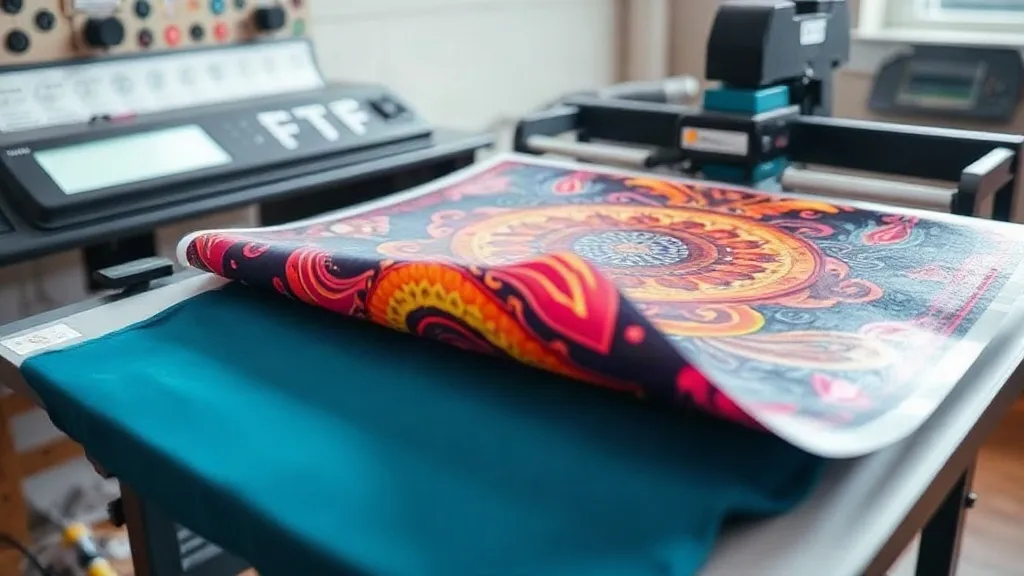
In the rapidly evolving world of custom apparel printing, one technology has been making waves for its exceptional versatility and vibrant results: dtf transfers. Whether you're a small business owner looking to offer unique designs or a DIY enthusiast wanting to create personalized garments, understanding DTF transfers can open up a world of possibilities. Unlike traditional methods that often limit your fabric choices or color range, DTF transfers bring a fresh approach that combines durability with stunning detail. In this guide, we'll dive deep into what DTF transfers are, how they work, and why they might be the perfect solution for your next project.
What Are DTF Transfers?
DTF stands for Direct to Film, a printing technique where designs are printed onto a special film and then transferred to fabric using heat and pressure. This process involves printing a design onto a PET film using specialized inks, applying a powder adhesive, and then curing it. Once the transfer is ready, you can apply it to various materials, including cotton, polyester, and blends. The result is a soft, stretchable print that adheres well and withstands repeated washing. Unlike DTG (Direct to Garment) printing, which requires pretreatment and works best on cotton, DTF transfers offer greater flexibility and can be used on a wider range of fabrics without compromising quality.
How DTF Transfers Work: Step by Step
Understanding the DTF process can help you appreciate its advantages and implement it effectively. Here's a breakdown of the key steps:
- Design Preparation: Your artwork is prepared digitally, ensuring it's mirrored and sized appropriately. High-resolution images work best to capture fine details.
- Printing: The design is printed onto a special film using DTF printers equipped with pigment-based inks. These printers typically use CMYK plus white ink to create vibrant colors and opacity.
- Powder Application: While the ink is still wet, a thermoplastic powder (hot melt adhesive) is applied evenly over the printed area. Excess powder is removed.
- Curing: The film passes through a curing oven or heat press to melt the powder, creating a dry, ready-to-use transfer.
- Transferring: The transfer is placed on the fabric and pressed with a heat press at specific temperature, pressure, and time (usually around 300-320°F for 10-15 seconds). After pressing, the film is peeled off (hot or cold peel depending on the film), leaving the design bonded to the fabric.
Why Choose DTF Transfers for Your Custom Apparel?
DTF transfers have gained popularity for several compelling reasons. Let's explore the main benefits:
1. Unmatched Versatility
One of the biggest advantages of DTF transfers is their ability to adhere to almost any fabric type. Whether you're working with cotton, polyester, silk, leather, or even denim, DTF can handle it. This makes it ideal for printing on items like t-shirts, hoodies, tote bags, caps, and more. Additionally, DTF transfers work well on both light and dark garments, thanks to the white ink layer that provides a base for vibrant colors.
2. Vibrant and Durable Prints
DTF transfers produce rich, vivid colors that stand out. The pigment-based inks are known for their longevity, resisting fading, cracking, and peeling even after multiple washes. When applied correctly, the prints remain soft to the touch and stretch with the fabric, ensuring comfort and durability. This makes DTF transfers a great choice for items that will be worn and washed frequently.
3. Cost-Effective for Small and Large Runs
Unlike screen printing, which requires separate screens for each color and can be costly for small batches, DTF transfers are cost-effective for both short and long runs. You can print one-off designs without minimum order quantities, and the setup cost is minimal. For larger orders, DTF still remains competitive as you can print multiple transfers on a single film and apply them as needed.
4. No Weeding or Cutting Required
With DTF transfers, there's no need for time-consuming weeding or cutting, as required with vinyl. The design is printed and ready to transfer directly from the film. This saves significant time and labor, especially for intricate designs with fine details or multiple colors.
5. Environmentally Friendly
DTF printing is considered more environmentally friendly than some other methods. It uses water-based inks and produces less waste compared to screen printing, which involves chemicals and excess ink. The film used is also recyclable in some cases, making it a greener option for eco-conscious businesses.
DTF Transfers vs. Other Printing Methods
To truly appreciate DTF transfers, it helps to compare them with other common printing techniques:
- Screen Printing: Great for large orders with simple designs, but costly for small batches and limited to certain fabrics. DTF offers more flexibility and no color limitations.
- DTG (Direct to Garment): Best for cotton fabrics, but requires pretreatment and can be less durable on synthetic materials. DTF works on a wider range of fabrics and often yields more vibrant colors.
- Vinyl (HTV): Ideal for simple designs and personalization, but weeding is time-consuming and multi-color designs require layering. DTF handles complex designs with ease.
- Sublimation: Works only on polyester and light-colored fabrics, and the design becomes part of the fabric. DTF can be applied to dark fabrics and natural fibers, offering more versatility.
Tips for Successful DTF Transfer Application
To get the best results with DTF transfers, follow these practical tips:
- Preheat the Fabric: Remove moisture and wrinkles by preheating the garment for a few seconds before applying the transfer.
- Use the Right Settings: Each film and powder may have specific recommendations, but generally, press at 300-320°F for 10-15 seconds with medium to firm pressure.
- Peel at the Right Temperature: Some films require hot peel, others cold peel. Check the manufacturer's instructions to avoid damaging the design.
- Post-Press for Durability: After peeling, a second press for a few seconds (without the film) can enhance adhesion and washability.
- Store Transfers Properly: Keep unused transfers in a cool, dry place away from direct sunlight to prevent premature curing.
Common Applications of DTF Transfers
DTF transfers are used across various industries and personal projects. Here are some popular applications:
- Custom T-Shirts and Hoodies: Create personalized apparel for events, teams, or businesses with full-color designs.
- Sports Uniforms: DTF transfers are ideal for team jerseys and athletic wear due to their stretchability and durability.
- Promotional Items: Print logos and slogans on tote bags, caps, and corporate giveaways.
- Home Decor: Personalize pillows, blankets, and curtains with custom designs.
- Fashion and Boutique Clothing: Add unique graphics to garments for a distinctive look.
Frequently Asked Questions About DTF Transfers
How long do DTF transfers last?
When applied correctly and cared for properly, DTF transfers can last as long as the garment itself. They resist fading and cracking for 50+ washes. To extend longevity, wash inside out in cold water and avoid harsh detergents or high heat in the dryer.
Can I use DTF transfers on dark colors?
Absolutely! DTF transfers are excellent for dark fabrics because they include a white ink layer that acts as a base, ensuring the colors remain vibrant and opaque. This is a major advantage over sublimation, which only works on light-colored polyester.
Do I need a special printer for DTF transfers?
Yes, DTF printing requires a dedicated DTF printer that uses pigment inks and white ink. These printers are available from various manufacturers, and some are specifically designed for small businesses or home use. Alternatively, you can purchase pre-printed DTF transfers from suppliers.
What fabrics work best with DTF transfers?
DTF transfers work on a wide range of fabrics, including cotton, polyester, blends, nylon, leather, and more. They are particularly useful for synthetic fabrics where other methods like DTG may struggle. However, for best results, ensure the fabric can withstand the heat press temperature.
Is DTF printing cost-effective for small businesses?
Yes, DTF printing is highly cost-effective for small businesses because it eliminates minimum order requirements and reduces setup costs. You can print one-off designs or small batches without the overhead associated with screen printing. The ability to print multiple designs on a single film also saves time and materials.
Conclusion: Embrace the Versatility of DTF Transfers
DTF transfers are transforming the custom apparel industry by offering unmatched versatility, vibrant colors, and durability. Whether you're a business looking to expand your product offerings or an individual wanting to create unique garments, DTF transfers provide a reliable and efficient solution. With the right equipment and techniques, you can achieve professional-quality results that impress customers and stand the test of time. As the technology continues to advance, we can expect even more innovations in this exciting field. So why not give dtf transfers a try for your next project? Explore the possibilities and elevate your creations.