
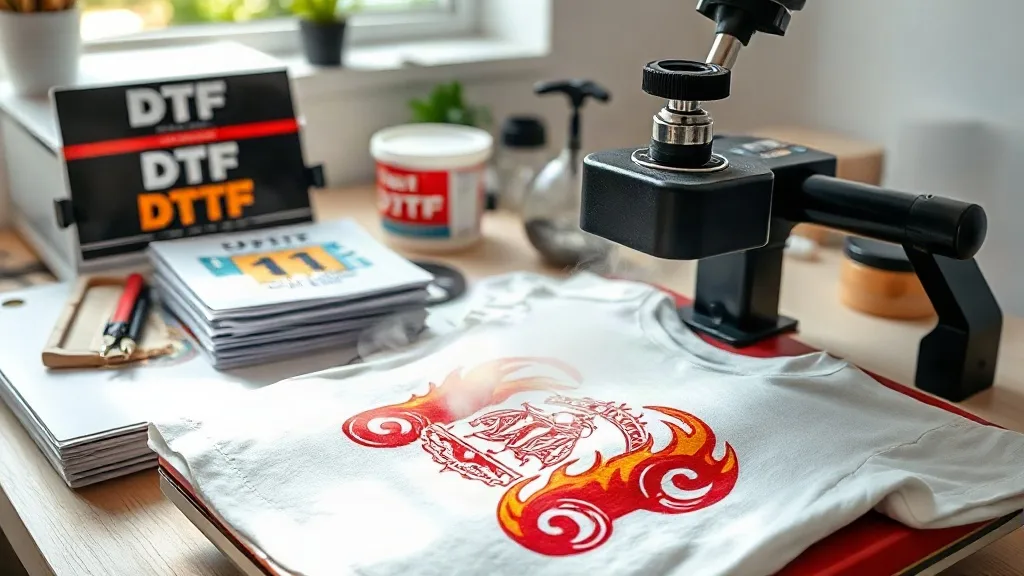
Custom apparel has never been more accessible, thanks to dtf printing technology. Unlike traditional methods that require specialized equipment and multiple steps, DTF transfers offer a streamlined solution for bringing your designs to life on fabric. Whether you're a small business owner, a hobbyist, or someone looking to personalize gifts, understanding DTF transfers can open up a world of creative possibilities. In this guide, we'll walk you through everything you need to know about DTF transfers, from the basics to pro tips, so you can achieve professional-looking results right at home.
What Are DTF Transfers?
DTF stands for Direct to Film. It's a printing technique where your design is printed onto a special film, coated with a powder adhesive, and then heat-pressed onto the fabric. This method eliminates the need for weeding, layering, or using multiple vinyl colors. The result is a soft, stretchable print that adheres to a wide range of materials, including cotton, polyester, blends, and even nylon. Because the design is printed on film first, you can achieve incredibly intricate details, gradients, and photographic images that would be difficult or impossible with other methods.
Why Choose DTF Transfers Over Other Methods?
If you've tried screen printing, vinyl cutting, or DTG (Direct to Garment), you know each has its limitations. Screen printing is cost-effective for large orders but expensive for small runs. Vinyl is great for simple designs but struggles with complex images. DTG works well on cotton but can be inconsistent on blends. DTF transfers, however, shine in several areas:
- Versatility: Works on almost any fabric, including dark and light colors.
- Detail: Captures fine lines, small text, and gradients with ease.
- Durability: Prints resist cracking, peeling, and fading after repeated washes.
- Ease of use: No weeding or layering required; just print, powder, and press.
- Cost-effective for small batches: Ideal for one-off items or short runs.
These advantages make DTF transfers a go-to choice for custom t-shirts, tote bags, hats, and more. Plus, the technology continues to evolve, with newer films and powders improving the feel and longevity of prints.
The DTF Transfer Process Step by Step
Getting started with DTF transfers is straightforward once you have the right equipment. Here's what you'll need: a DTF printer (or access to a printing service), DTF film, DTF powder, a heat press, and your fabric. Let's break down the process.
1. Design and Print
Create your design using graphic software like Photoshop, Illustrator, or Canva. Remember to mirror the image horizontally before printing, as the film will be flipped when applied. Load the DTF film into your printer (emulsion side up) and print using DTF inks. These inks are specially formulated to be vibrant and flexible. If you don't have a DTF printer, many online services will print your design onto film and ship it to you.
2. Apply Powder
While the ink is still wet, sprinkle DTF powder evenly over the printed design. The powder is a thermoplastic adhesive that will bond the ink to the fabric. Gently shake off excess powder, then cure the film under a heat source (like a heat press or oven) until the powder melts and becomes glossy. This step is crucial for a durable transfer.
3. Heat Press
Set your heat press to the recommended temperature (usually around 300-325°F or 150-160°C) and pressure. Place the cured film onto your fabric with the design facing up. Press for 10-15 seconds. For best results, use a Teflon sheet or parchment paper over the film to protect it. After pressing, peel the film off while it's still warm (warm peel) or let it cool completely (cold peel) depending on the film type. Most DTF films today are cold peel, but always check the instructions.
4. Post-Pressing
For added durability, especially on stretchy fabrics, you can do a second press for 5-10 seconds with a cover sheet. This helps the adhesive fully penetrate the fibers. And that's it! Your custom apparel is ready to wear.
Common Mistakes to Avoid with DTF Transfers
Even though DTF is forgiving, a few missteps can ruin your results. Here are pitfalls to watch out for:
- Insufficient powder: Too little powder means the print won't adhere properly. Make sure the entire design is covered.
- Over-powdering: Excess powder can create a rough texture. Shake off the excess thoroughly.
- Wrong temperature: Too hot and the film may curl or the ink may scorch; too cold and the adhesive won't activate. Always test with a scrap fabric.
- Pressing on the wrong side: Ensure the design faces up and the film backing is on top.
- Peeling too soon or too late: Follow the film's instructions for warm or cold peel to avoid smudging or incomplete transfer.
By avoiding these common errors, you'll get consistent, professional-looking transfers every time.
Tips for Vibrant and Long-Lasting Prints
To make your DTF transfers stand out and last, consider these expert tips:
- Use high-quality film and powder: Cheaper alternatives may save money but often lead to dull colors or poor adhesion.
- Pre-press your garment: This removes moisture and wrinkles, creating a smooth surface for the transfer.
- Adjust pressure: Even pressure ensures the design adheres uniformly. If you see uneven areas, increase pressure slightly.
- Wash inside out: To prolong the life of your print, turn the garment inside out and wash in cold water. Avoid fabric softener and tumble dry on low.
- Store films properly: Keep unused film in a cool, dry place away from direct sunlight to prevent curling.
These small habits can make a big difference in the longevity and appearance of your custom items.
Applications of DTF Transfers
DTF transfers aren't just for t-shirts. They're used for a wide range of products, including:
- Apparel: T-shirts, hoodies, polo shirts, jackets, and even denim.
- Accessories: Tote bags, backpacks, caps, and beanies.
- Home decor: Pillowcases, aprons, and canvas prints.
- Sportswear: Jerseys, leggings, and performance wear (thanks to the stretchability).
- Promotional items: Uniforms, event merchandise, and corporate gifts.
The possibilities are endless, limited only by your imagination.
Frequently Asked Questions About DTF Transfers
How durable are DTF transfers?
When applied correctly, DTF transfers are highly durable. They can withstand dozens of washes without cracking or fading. The key is proper curing and pressing, as well as following care instructions.
Can I use DTF transfers on dark colors?
Absolutely! Unlike DTG, which requires a white underbase for dark garments, DTF transfers include a white layer automatically. This makes them ideal for dark and light fabrics alike.
What fabrics work best with DTF transfers?
DTF transfers adhere well to cotton, polyester, cotton-poly blends, nylon, and even leather. However, fabrics with a heavy texture (like ribbed knits) or waterproof coatings may require special handling.
Do I need a special printer for DTF?
Yes, DTF printing requires a printer that uses DTF inks and can handle film. However, if you don't want to invest in a printer, you can order pre-printed transfers from online services and just apply them with a heat press.
How do I store unused DTF transfers?
Store them in a cool, dry place, away from direct sunlight and moisture. Keep them flat to prevent curling. Properly stored, they can last for several months.
Final Thoughts
DTF transfers have democratized custom apparel, making it possible for anyone to create vibrant, durable prints with minimal equipment. By understanding the process and avoiding common mistakes, you can achieve results that rival professional print shops. Whether you're starting a clothing brand or just making gifts for friends, DTF transfers offer a flexible, cost-effective solution. So why not give it a try? With a bit of practice, you'll be amazed at what you can create.