
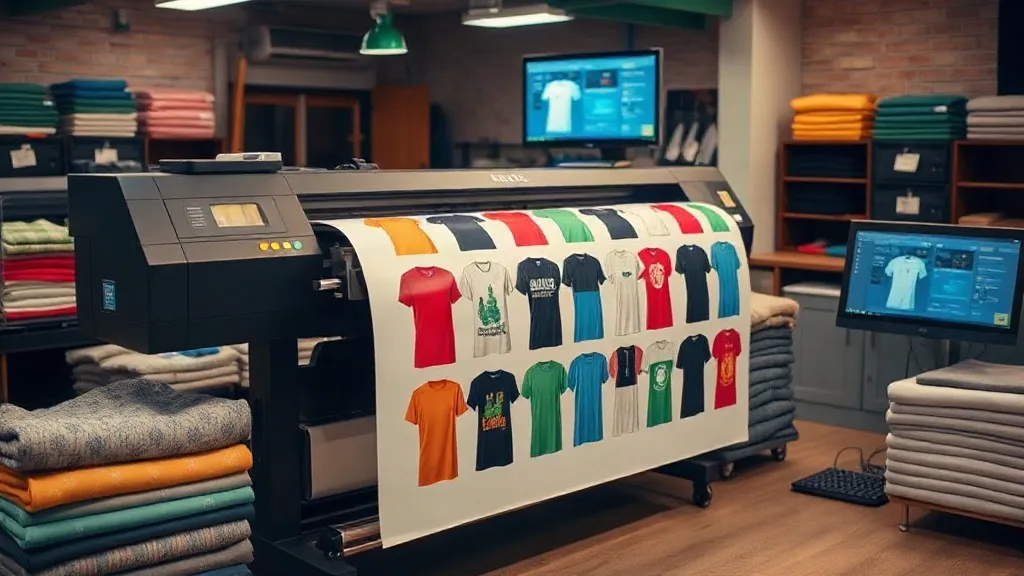
If you run a print shop, you already know that time is money. Every minute spent cutting, weeding, and aligning individual transfers eats into your profit margin. What if you could print multiple designs in one go, with consistent quality and minimal waste? That's exactly what a DTF Gangsheet offers. In this guide, we'll explore why gangsheets have become a game-changer for small and medium print shops, and how you can use them to work smarter, not harder.
What Is a DTF Gangsheet?
A DTF gangsheet is a single sheet of transfer film that contains multiple printed designs. Instead of printing each job separately, you arrange several designs on one large sheet, print them all at once, and then cut them apart. This approach maximizes the use of film and ink, reduces setup time, and ensures consistent color and quality across all the transfers on that sheet.
Gangsheets are especially useful for shops that handle a variety of small orders or need to produce sample packs. By grouping designs that share similar colors or are destined for the same client, you can significantly cut down on waste and labor.
Why Gangsheets Make Sense for Your Bottom Line
The financial benefits of gangsheets are hard to ignore. Here's why they're a smart investment:
- Less waste: By filling the sheet with multiple designs, you use almost every inch of film, reducing leftover scraps.
- Lower ink and powder consumption: Printing in batches means you use less ink and adhesive powder per transfer.
- Time savings: One print run for many designs means less machine setup, less monitoring, and faster turnaround.
- Consistent quality: All designs on the sheet go through the same printing and curing process, so colors match perfectly.
When you add up these savings, the cost per transfer drops noticeably. That means you can either increase your profit margin or offer more competitive pricing to win larger orders.
How to Build an Effective Gangsheet
Creating a gangsheet isn't just about cramming as many designs as possible onto a sheet. A well-planned layout ensures efficiency and quality. Follow these steps to build a gangsheet that works for you:
- Group by color and material: Designs with similar color palettes can be printed together without changing ink or settings. Also, group designs that will be applied to the same fabric type to maintain consistent curing parameters.
- Optimize spacing: Leave enough space between designs for clean cutting. Too tight, and you risk damaging edges; too loose, and you waste film.
- Use nesting software: Many RIP software options include nesting tools that automatically arrange designs to minimize waste. If you don't have one, consider investing in a dedicated gangsheet builder tool.
- Test and refine: Start with a small batch to see how your layout performs. Adjust spacing and grouping based on results.
Remember that the goal is to maximize density without compromising the quality of each transfer.
Common Mistakes to Avoid with Gangsheets
Even experienced shops can stumble when adopting gangsheets. Watch out for these pitfalls:
- Overcrowding: Placing designs too close together can lead to cutting errors and wasted material. Always leave a safe margin.
- Ignoring fabric compatibility: Not all designs work on all fabrics. Group designs by fabric type to avoid curing issues.
- Forgetting about grain direction: If your designs have a directional pattern, ensure they are oriented correctly on the sheet.
- Neglecting maintenance: A dirty printer or worn blades can ruin a whole gangsheet. Keep your equipment in top shape.
By avoiding these mistakes, you'll get the most out of every sheet.
Choosing the Right Gangsheet Builder Tool
While you can manually arrange designs using graphic software, dedicated gangsheet builder tools can save hours. Look for features like automatic nesting, drag-and-drop interface, and compatibility with your printer's RIP software. Some tools also integrate with order management systems, allowing you to import designs directly from your order queue. The investment in such a tool often pays for itself within months through reduced waste and labor.
If you're not ready for software, start with a simple template and adjust manually. As your volume grows, upgrade to a more advanced solution.
Case Study: How a Small Shop Cut Costs by 30%
Consider a small print shop that primarily handles custom t-shirt orders for local teams and events. They used to print each order individually, leading to frequent machine changes and high waste. After switching to gangsheets, they grouped orders by color and fabric, filling each sheet with multiple designs. Within three months, they reduced film waste by 40%, cut ink consumption by 25%, and decreased labor time per order by 30%. The owner reported that the savings allowed them to invest in a second printer, further expanding capacity.
This example shows that even modest shops can reap significant benefits from gangsheets.
Frequently Asked Questions
What is the maximum size for a DTF gangsheet?
The maximum size depends on your printer's capabilities and the film roll width. Common widths are 13, 17, and 24 inches, with lengths limited by the roll. Check your printer specs to determine the largest sheet you can produce.
Can I mix different fabric types on one gangsheet?
It's not recommended. Different fabrics may require different curing temperatures and pressures. Mixing them on one sheet can lead to under- or over-curing, affecting durability. Group designs by fabric type for best results.
How do I ensure accurate color matching across a gangsheet?
Since all designs on a gangsheet are printed in the same run, color consistency is naturally high. However, ensure your printer is calibrated and use the same color profile for all designs. Also, avoid grouping designs with vastly different color requirements that might force compromises.
Is it worth investing in gangsheet builder software?
If you produce gangsheets regularly, yes. Software automates nesting, reduces waste, and saves time. For occasional use, manual layout may suffice, but as volume grows, the software pays for itself quickly.
How does gangsheet printing affect turnaround time?
Gangsheets can significantly reduce turnaround time because you print multiple designs in one pass. However, you need to plan ahead to group orders efficiently. With practice, you'll find it speeds up production, especially for small orders.
Final Thoughts
DTF gangsheets are more than just a printing method; they're a strategic tool for print shops looking to improve efficiency and profitability. By adopting gangsheets, you can reduce waste, save time, and deliver consistent quality to your customers. Whether you're a one-person operation or a growing shop, the benefits are clear. Start small, experiment with layouts, and invest in tools that help you scale. Your bottom line will thank you.