
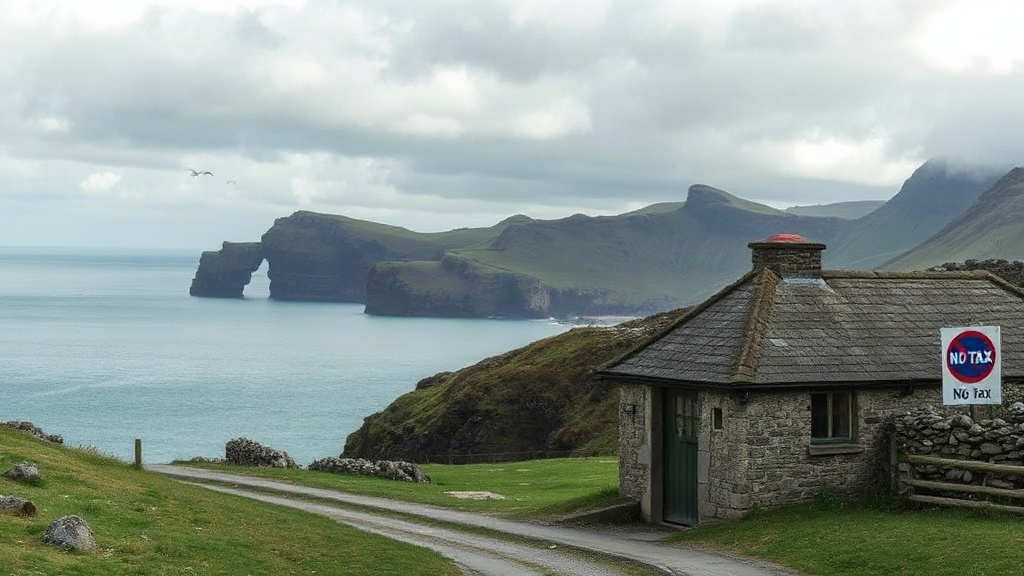
In a dramatic turn of events, a proposed nightly tourism tax of £1.30 in Anglesey is teetering on the brink of being abandoned after encountering a wall of opposition from local businesses and residents. The levy, which was projected to generate upwards of £1.2 million a year for the Welsh island, has become a lightning rod for debate about how to fund tourism infrastructure without burdening the very industry it aims to support.
The idea is simple on paper: visitors staying overnight in hotels, bed and breakfasts, and self-catering accommodations would pay a small daily fee. That money would then be reinvested into maintaining the island's natural beauty, improving public amenities, and supporting the tourism sector that draws millions each year. But the execution has proven anything but simple, as stakeholders across Anglesey have voiced concerns that range from economic hardship to bureaucratic overreach.
The Rise and Fall of a Controversial Levy
Anglesey, known for its stunning coastline and rich history, has long been a magnet for tourists. In recent years, the island has seen visitor numbers swell, particularly during the summer months. While this surge brings economic benefits, it also strains local infrastructure, from parking to waste management. The proposed tourism tax was pitched as a fair way to ensure that visitors contribute to the upkeep of the very attractions they come to enjoy.
Under the plan, an additional £1.30 per night would be added to accommodation bills. For a family of four staying a week, that would amount to just over £36, a sum that proponents argued was negligible compared to the overall cost of a holiday. The revenue, estimated at £1.2 million annually, would be ring-fenced for tourism-related projects, such as path repairs, beach clean-ups, and improved public transport.
Yet, almost as soon as the proposal was floated, opposition began to mount. Local hoteliers warned that the tax would make Anglesey less competitive compared to other destinations in Wales and beyond. Self-catering operators, already grappling with rising costs, feared that the administrative burden of collecting the levy would outweigh its benefits. Residents, meanwhile, questioned whether the funds would truly be used as promised or disappear into a bureaucratic black hole.
Why the Opposition Struck a Chord
The backlash against the tourism tax is not merely about the money. It taps into deeper anxieties about the relationship between visitors and host communities. In many popular destinations, there is a growing sense that tourism is something done to locals rather than with them. The tax, however small, symbolised a shift towards monetising every aspect of the visitor experience, and for some, it felt like a step too far.
Moreover, the timing could hardly have been worse. With the cost-of-living crisis squeezing household budgets, any additional expense, however minor, is met with resistance. Businesses are still recovering from the pandemic, and many are wary of anything that might deter potential customers. The tourism tax, they argued, would be the final straw for an industry already on edge.
It's also worth noting that Anglesey is not alone in considering such a levy. Across the UK and Europe, similar schemes have been introduced with mixed results. In some places, they have been embraced as a necessary tool for sustainable tourism; in others, they have been repealed after proving unpopular. The debate in Anglesey reflects a broader conversation about how to balance the needs of visitors, residents, and the environment.
What Happens Next?
With opposition mounting, the future of the nightly £1.30 tourism tax looks increasingly uncertain. Local councillors have signalled that they are listening to concerns and may be willing to scrap the plan altogether. A final decision is expected in the coming weeks, but already, the episode has highlighted the challenges of implementing new taxes in a sector as diverse and vocal as tourism.
If the tax is axed, it will be a victory for its opponents, but it will also leave a funding gap for the projects it was meant to support. The island will need to find alternative ways to manage the pressures of tourism, perhaps through voluntary contributions, corporate sponsorship, or a reallocation of existing budgets. None of these options are straightforward, and each comes with its own set of trade-offs.
For now, visitors to Anglesey can breathe a sigh of relief, but the underlying issues remain. The island's popularity shows no signs of waning, and with that popularity comes responsibility. How Anglesey chooses to navigate these waters will be watched closely by other tourist destinations facing similar dilemmas.
FAQ
What is the proposed tourism tax in Anglesey?
The proposed tax is a nightly levy of £1.30 on overnight stays in various types of accommodation. It was expected to raise over £1.2 million annually for tourism-related improvements.
Why is the tourism tax facing opposition?
Local businesses and residents have raised concerns about the additional financial burden on visitors, the administrative costs for accommodation providers, and doubts about how the revenue would be used.
Will the tourism tax definitely be scrapped?
No final decision has been made, but strong opposition has led to speculation that the plan may be abandoned. A decision is expected soon.
How would the revenue from the tourism tax be used?
The funds were intended to be ring-fenced for tourism-related projects, such as maintaining footpaths, cleaning beaches, and improving public transport.
Are there similar tourism taxes elsewhere?
Yes, many destinations in the UK and Europe have implemented tourism taxes with varying degrees of success. Some have been well-received, while others have faced backlash and been repealed.